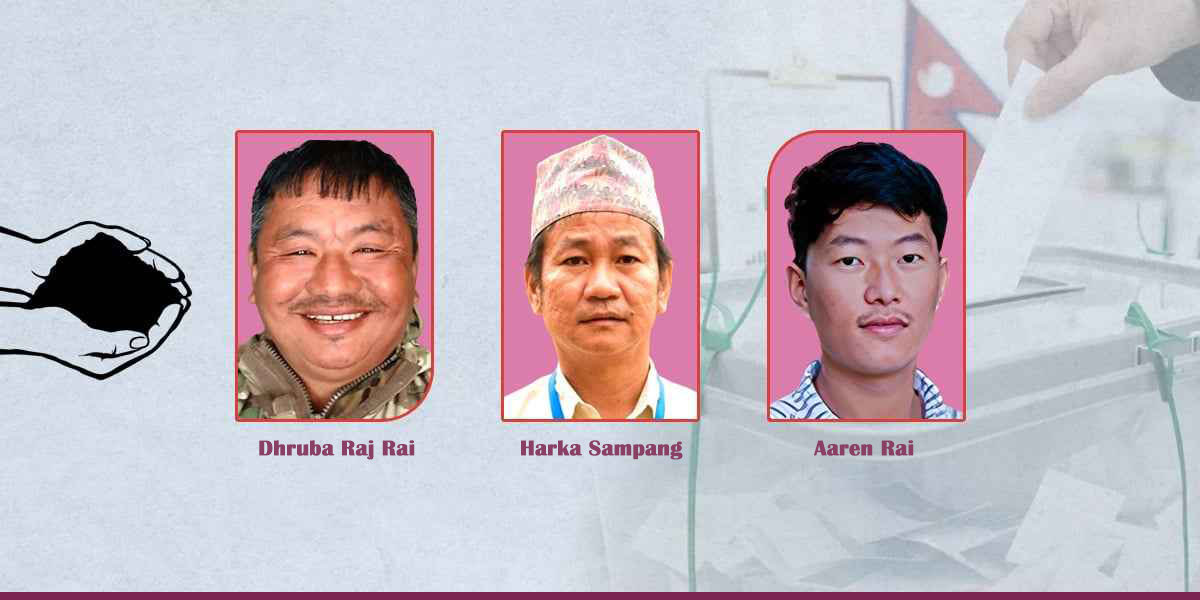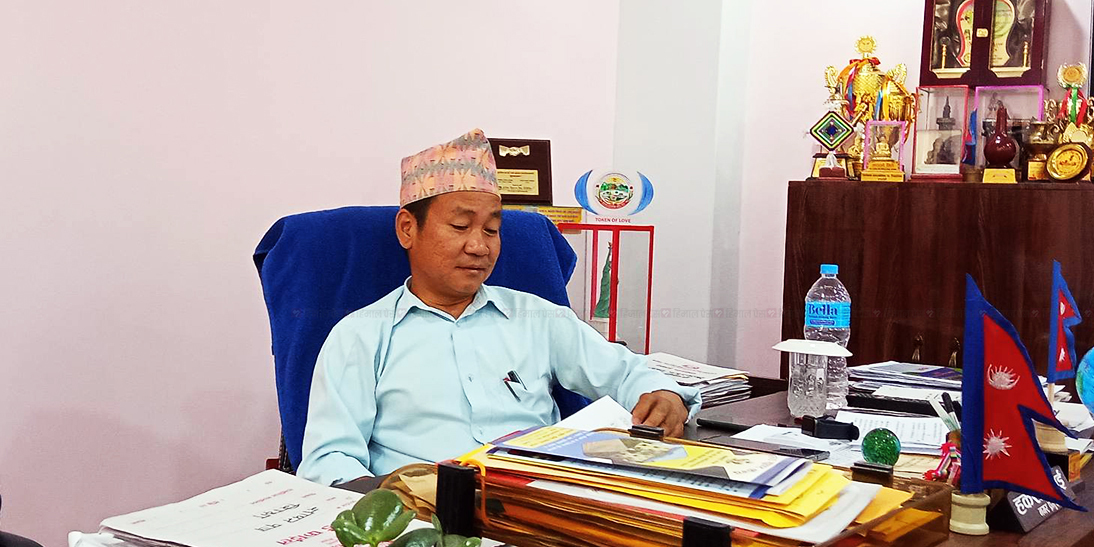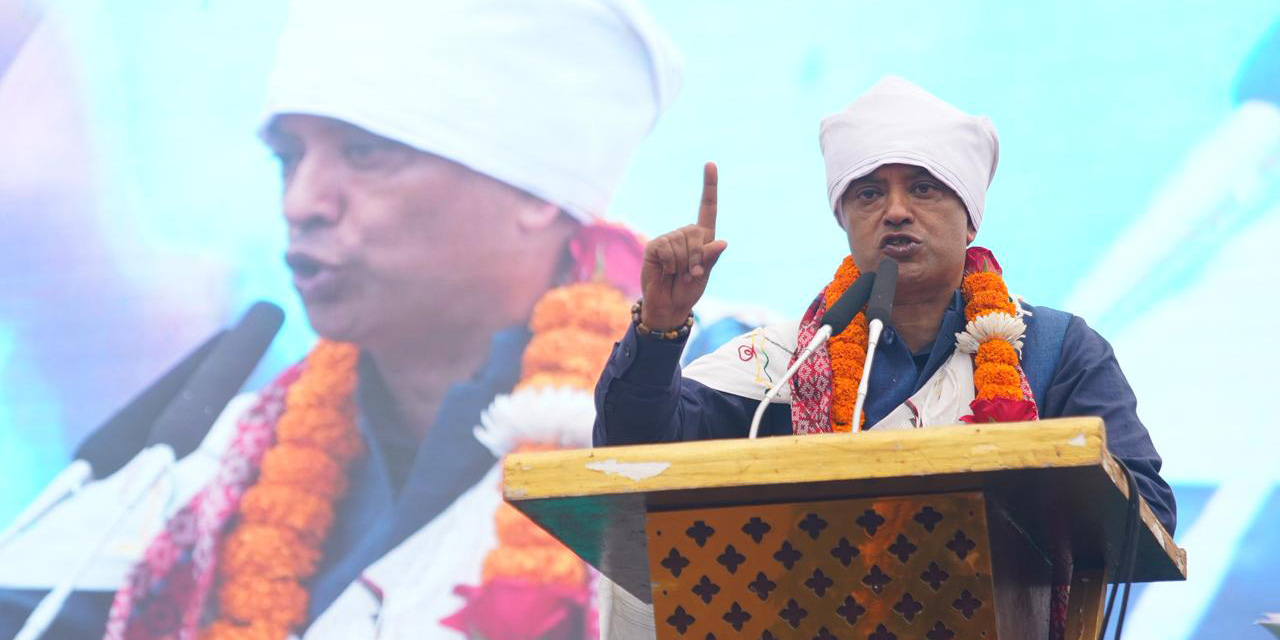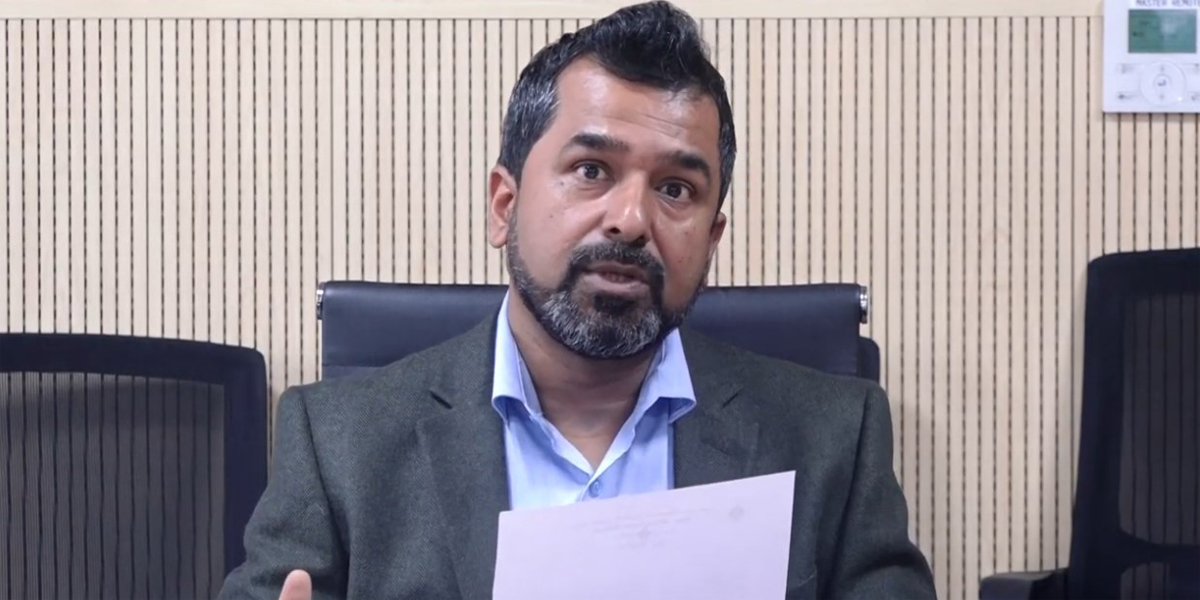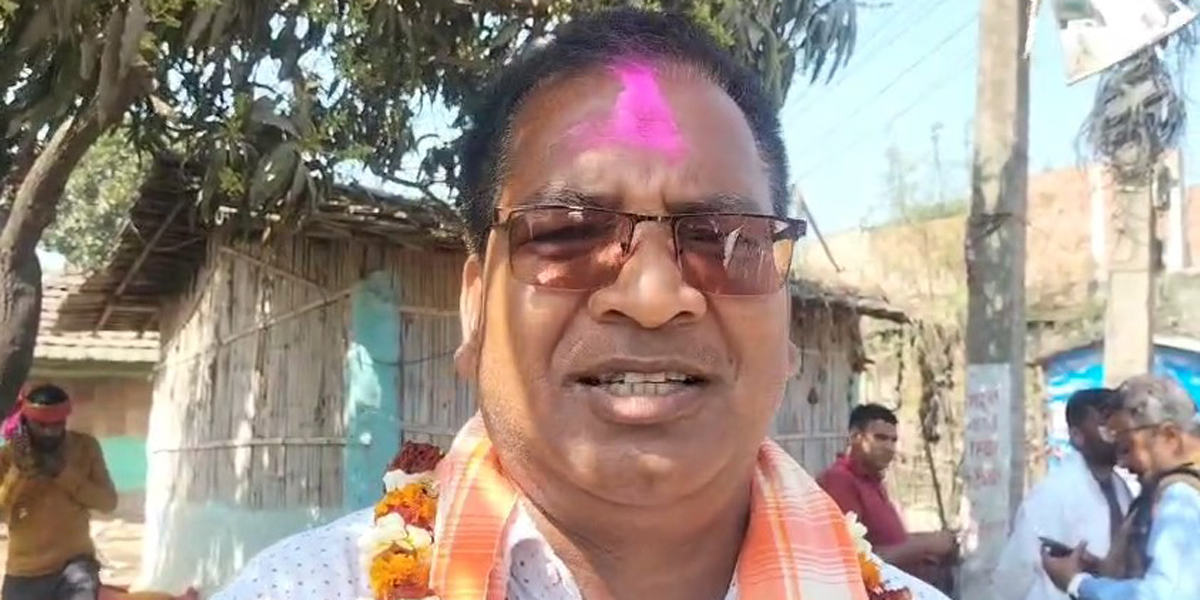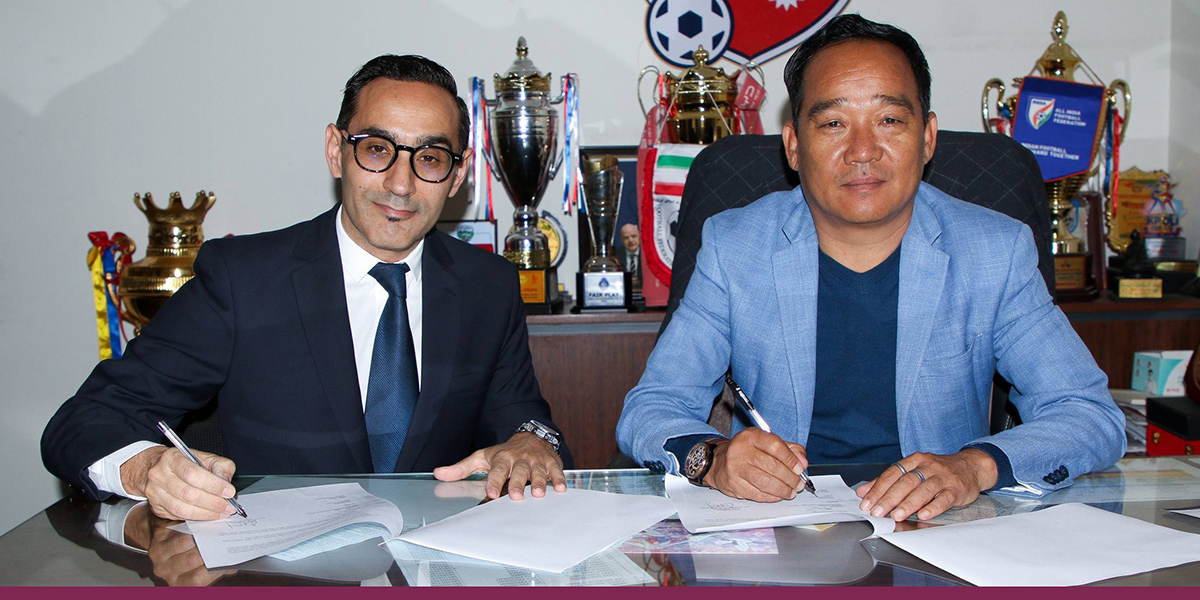

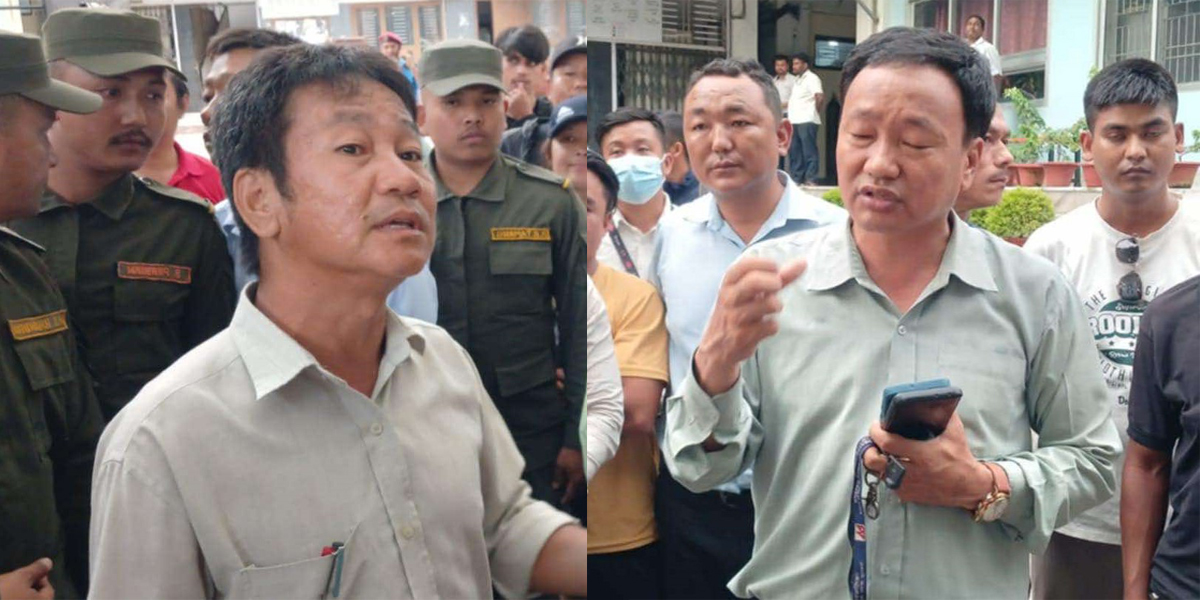
 This combo photos shows Dharan Mayor Harka Sampang and Deputy Mayor Aindra Bikram Begha.
ITAHARI: A renewed conflict has flared up between Dharan Sub-Metropolitan City Mayor Harka Raj Rai, commonly known as Harka Sampang, and Deputy Mayor Aindra Bikram Begha, over transparency concerns in the city’s voluntary labour campaign, fundraising practices, use of municipal property and a lack of internal coordination.
The dispute intensified after people close to the CPN (Maoist Center) staged a protest against Mayor Sampang in front of the municipal office on Monday.
Mayor Sampang had directed Deputy Mayor Begha to authorise payment for iron gratings used in infrastructure built under the labour campaign. Begha, however, refused to authorize the payment, citing procedural irregularities and a lack of clarity over funding sources. He alleged that municipal resources were being used arbitrarily under the guise of a voluntary labor campaign without any formal decisions.
According to Begha, when he refused to approve the payment, Mayor Sampang summoned him to his office, where his supporters tried to intimidate him. “There is no clarity whether the work was funded by the budget or external donations. I cannot take responsibility for something so opaque,” Begha said. “Municipal property is being used recklessly without formal approval.”
Begha also revealed that he had taken control of the keys of municipal equipment such as excavators and tipper trucks in recent days to prevent misuse by Sampang and his supporters.
Mayor Sampang organized a press conference on Tuesday and accused the deputy mayor of politically motivated obstruction and unauthorised interference in municipal property. “The deputy mayor has seized the keys of excavators and tipper trucks. Even when I sent municipal police personnel to get the keys back, he is not answering the phone,” Sampang said. “This kind of interference is unacceptable.”
Sampang has long promoted the voluntary labor model as an example of citizen participation in governance. He has mobilized voluntary labor for campaigns like road upgrades, construction of drainage and the drive to make Dharan an open defecation-free city. However, the model is now facing criticism over a lack of transparency and accountability.
“Mayor Sampang has been misusing municipal vehicles like excavators and tippers in the name of voluntary labor campaigns,” said one local protester.
Repeated clashes between Dharan’s top officials have paralyzed several municipal initiatives, including executive and council meetings, leaving many local plans in limbo.
Uddhav Limbu, the chairperson of Maoist Center’s Dharan Municipal Committee, accused Sampang’s group of staging a deliberate siege of the deputy mayor’s office on Tuesday morning. “It was Mayor Sampang himself who incited the confrontation,” Limbu alleged.
Tensions between the mayor and deputy mayor also surfaced during a flood in Dharan in early June. Begha claimed that he could not reach Mayor Sampang to coordinate rescue workers despite trying for a full week. “Even if I am not involved in planning, I should at least have been allowed to coordinate,” Begha said. “Instead, I have been labeled uncooperative by the mayor.”
Mayor Sampang, meanwhile, has accused the deputy mayor of showing up for inspections but failing to provide any support.
Although Sampang’s voluntary labor approach has earned praise from the public for promoting citizen participation, growing concerns over non-transparent financial practices are tarnishing its image. There are increasing complaints that funds collected in the name of voluntary labor campaigns have not been publicly accounted for, expenditures have not been disclosed and projects have been implemented without institutional approval or evaluation.
As internal rifts deepen, questions are being raised about the administrative stability of Dharan. “If the leadership can’t forge coordination during budget season, how can we implement development works?” a municipal executive member questioned.
The ongoing dispute has jeopardised the budget-making process for the upcoming fiscal year 2025/26.
Stakeholders fear that internal disagreements, if left unresolved, will affect policymaking, budgeting and overall governance in the sub-metropolitan city.