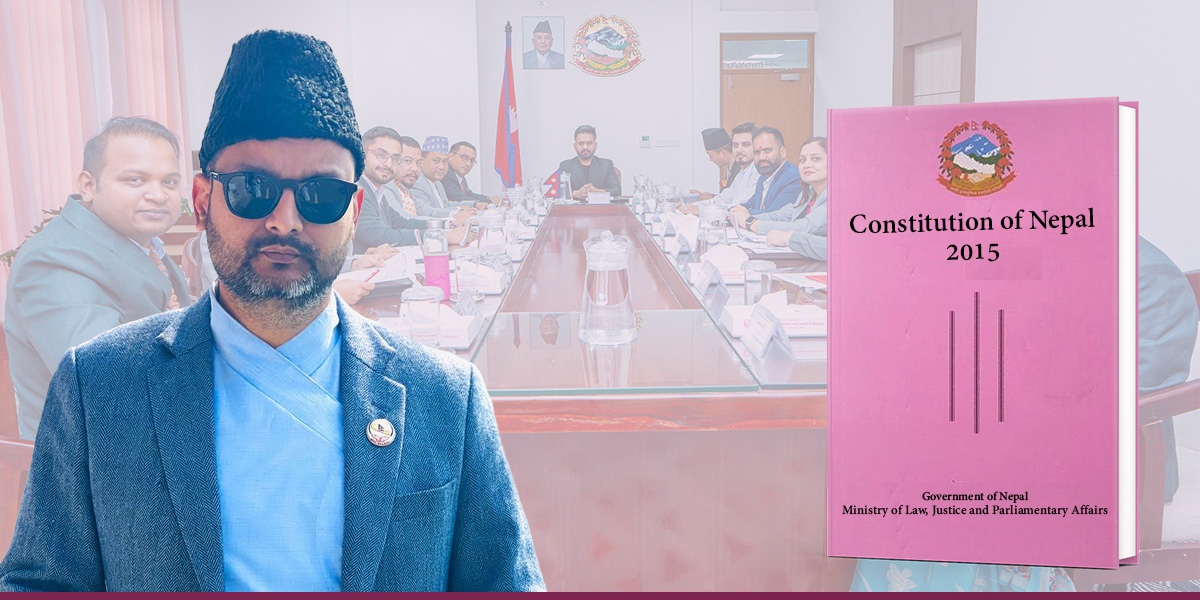
KATHMANDU: After a decade since the promulgation of the 2015 constitution, the government has begun the constitutional amendment process. However, serious questions are being raised in legal and political circles about the preparation. From forming a task force to setting its mandate, critics say the approach looks rushed.
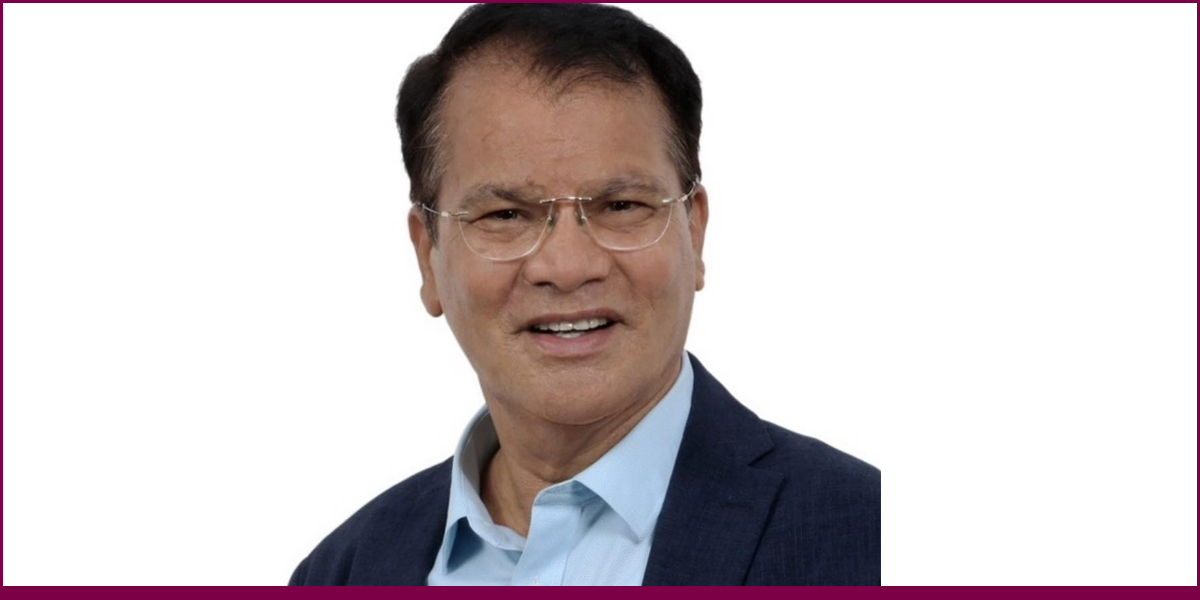
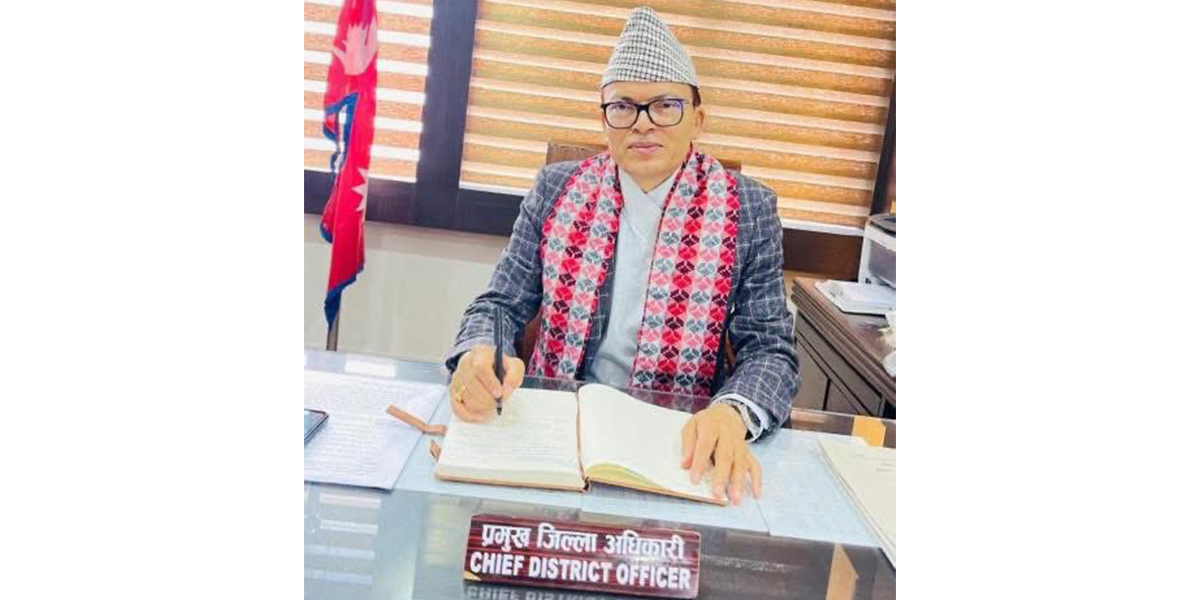
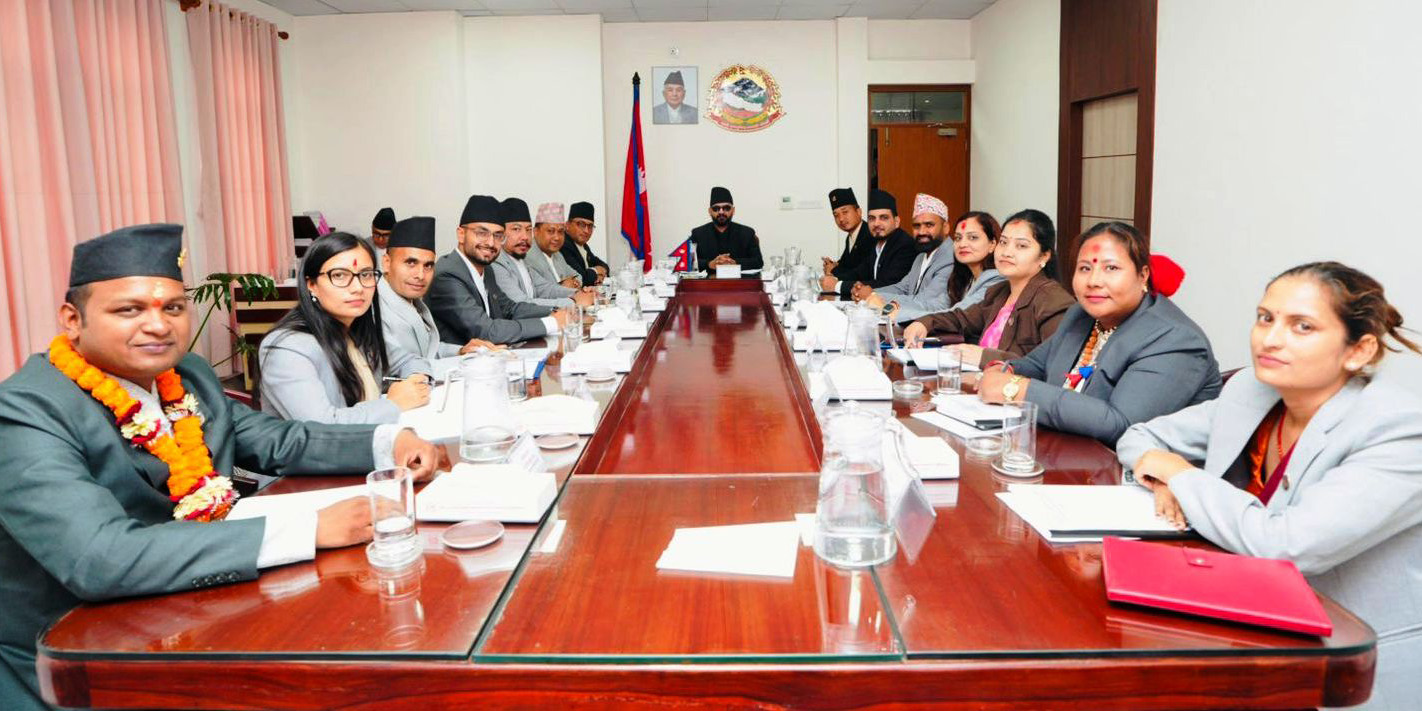
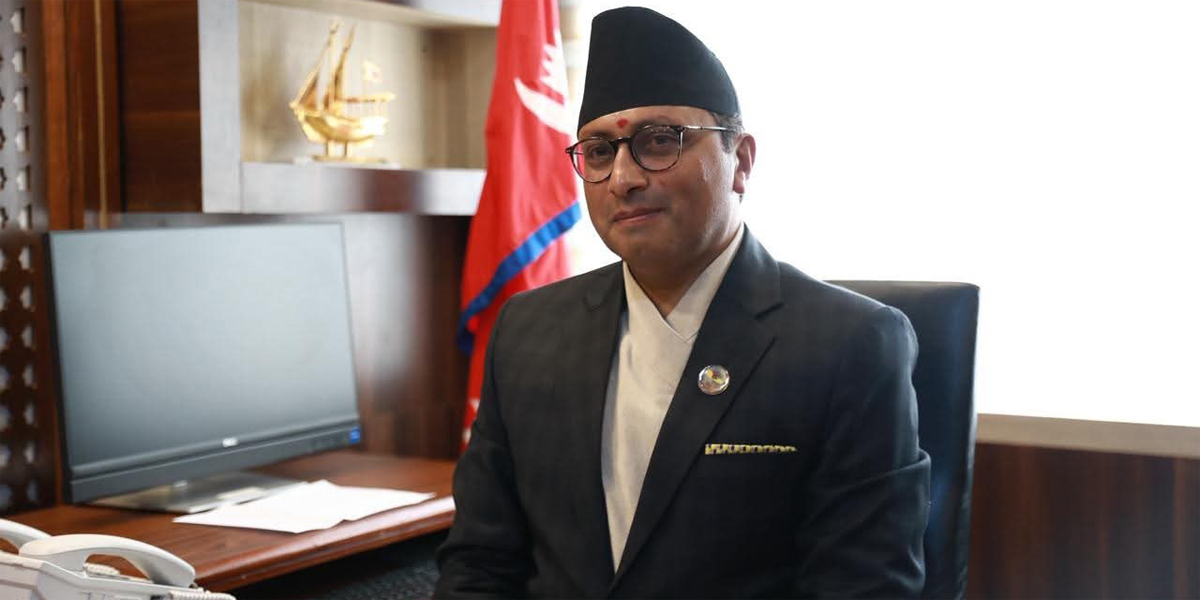
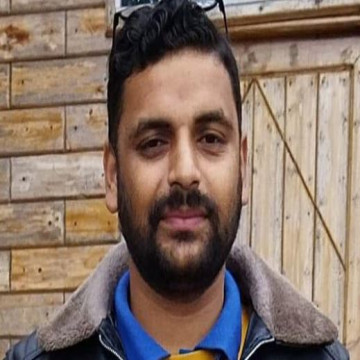
The government has decided to form a task force under Asim Shah, the political advisor to Prime Minister Balendra Shah. Sha’s panel has been tasked with preparing a discussion paper on constitutional amendment.
Analysts and legal experts, however, say the preparation for constitutional amendments appears weak. They warn that this could undermine the very spirit of the amendment.
The government, which enjoys a near two-thirds majority in the lower house, raised the amendment issue in its first Cabinet meeting. The second Cabinet meeting appointed the coordinator.
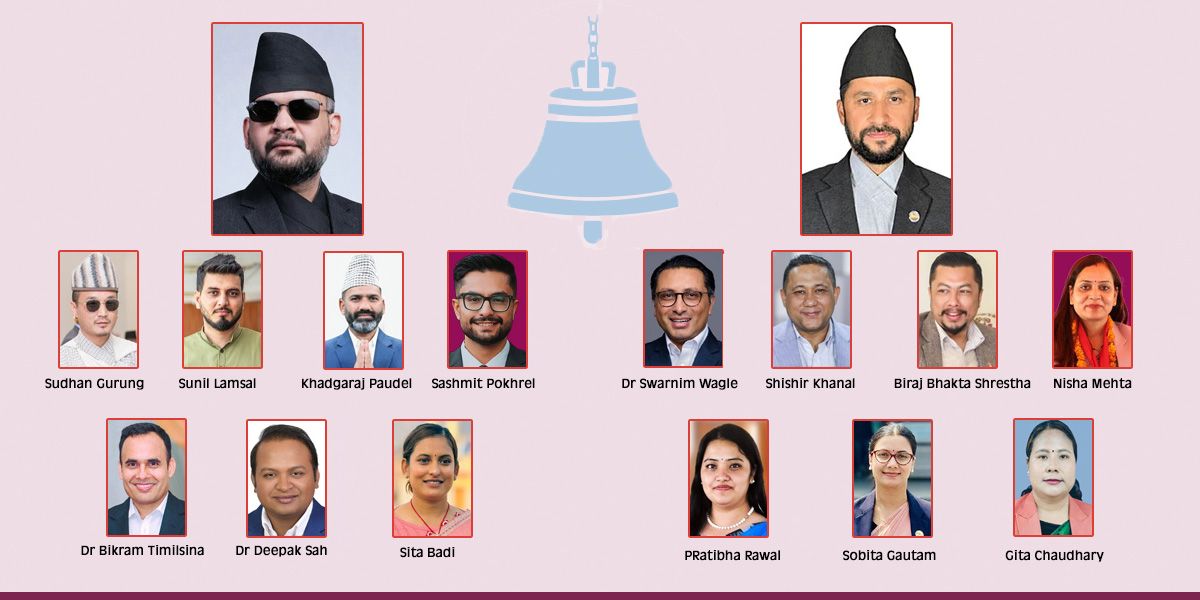
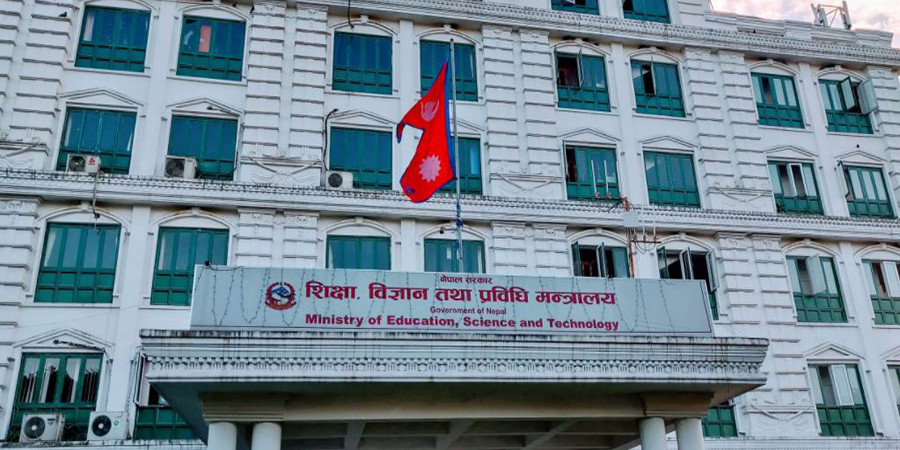
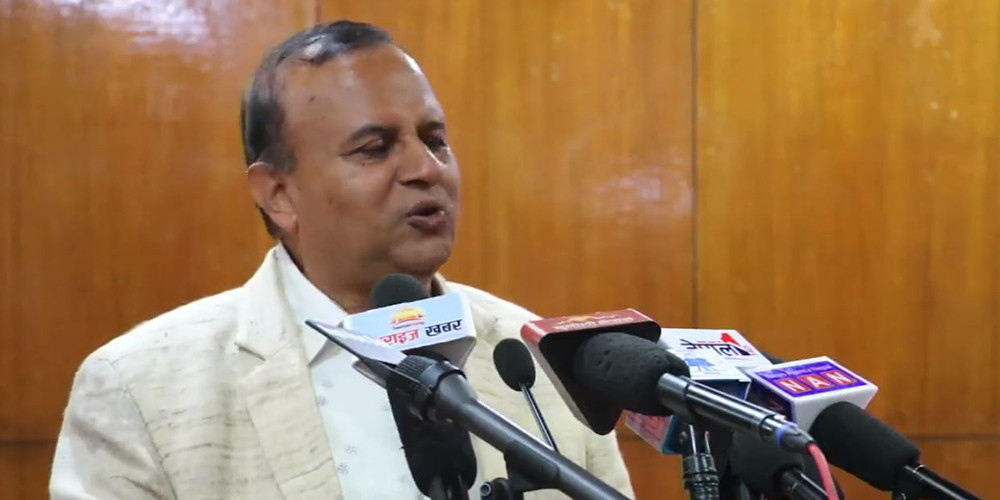
According to the government spokesperson and Minister for Education, Science and Technology, Sashmit Pokharel, the discussion paper will be prepared to build national consensus on the amendment.
But legal experts are not convinced. They say the current process may fail to reflect the views of all stakeholders. They argue that the government should form an independent commission with representation from all parties, languages, and regions, and that constitutional experts should lead the process.
The government’s agenda says a task force will be formed within seven days to prepare a discussion paper. It also promised a participatory, transparent, and evidence-based process.
Senior Advocate Dinesh Tripathi says the government cannot form a task force on such a serious issue on a whim. “It should have created an independent commission,” he says. “All parties must be included. If the prime minister’s advisor leads it, it may not be acceptable to everyone.”
Task force Coordinator Shah does not have a long political experience. He spent many years in the film industry before joining the Rastriya Swatantra Party (RSP). In 2022, he was elected to the House of Representatives under the proportional representation system as a member of the RSP. This time, after failing to secure a PR seat, he supported Prime Minister Shah during the election campaign. He is now serving as the prime minister’s political advisor. His background has also drawn criticism on social media. Some have mocked whether he is leading a “constitutional amendment” or a “film edit.”
“The constitution has not yet been fully implemented because we lack many laws needed for its implementation. Amendment alone may not be sufficient,” Tripathi said.
According to Tripathi, the government ignored this ground reality and suddenly pushed for amendments.
Advocate Karnuna Parajuli also says a constitutional amendment is not a routine administrative task. “It is a serious national issue tied to the people’s sovereign rights. That is why sufficient preparation is needed before any amendment,” she added.
Parajuli says experts in constitutional law must lead the process. “Former chief justices or justices of the Supreme Court, who have interpreted the constitution, should be involved in the process,” she said. “Members of the Constituent Assembly, who debated and drafted it, should also play a role. Experts from both houses of Parliament should be included.”
Nepal adopted the 2015 constitution after nearly a decade of effort. The term of the first Constituent Assembly ended without completing its responsibility. The second Constituent Assembly elected in 2013 delivered the constitution after years of debate. It represents issues like the decade-long armed insurgency and the Madhesh movement.
Parajuli warns that rushing with the amendment process could undermine the constitution. “Those drafting the discussion paper must understand its spirit. Only those who wrote the constitution understand it best,” she said. “One must first understand how it evolved and how it has been implemented before proposing amendments.”
She says the constitution cannot be revised without input from experts, former CA members, and the public.
Is an amendment necessary?
The debate regarding constitutional amendments has been ongoing for years. It was raised when the Nepali Congress (NC) and CPN-UML, the two largest forces in the 2022 parliament, formed a coalition government. However, the coalition did nothing on this front.
Some groups have been dissatisfied since the Constitution was drafted. They have been observing the Constitution Day as a black day in Nepal’s history.
“Amendment is needed to make it inclusive,” said Advocate and Gen-Z activist Majid Ansari. “Some sections of society are still unhappy with the 2015 constitution.”
When the constitution was promulgated in 2015, 507 out of 532 Constituent Assembly members voted in favor of the constitution. While parties like the NC and the UML call it a historic achievement, dissatisfaction has persisted even since the constitution was promulgated. Madhesi parties, in particular, are dissatisfied. Some have burned copies of the constitution and marked its promulgation day as a “black day.” Leaders say an amendment is needed to address their concerns.
“The current constitution does not give enough rights to Madhesis. It must be amended to include Madheshis and marginalized groups,” says Ramkumar Sharma, general secretary of JSP Nepal.
After the Gen-Z movement, a government formed outside the constitution helped resolve a political deadlock. At that time, leaders felt a solution within the constitution was not possible.
The Constitution has been amended twice. First, to include the Limpiyadhura map, and second, to address the demands of the Madhesh-based parties. Madhesh-based parties, however, have remained dissatisfied even after the amendment.
Gen-Z activist Raksha Bam says the amendment must not go beyond democratic norms. “We cannot go outside the foundation of democracy. The core spirit of the constitution must be preserved,” she said.
Bam adds that necessary laws, such as police and election laws, can be amended. “But the basic structure of the constitution should not be changed.
During last year’s Gen-Z movement, there was even debate about whether to keep the constitution. In the end, reform within the framework was chosen.
Doubts over leadership
With the formation of the task force, attention has turned to its coordinator, Shah. Questions have been raised about his qualifications and capacity. His past statements are also being discussed on social media.
“The government must clarify the basis on which he was given this responsibility,” said Advocate Jasmine Ojha. “This is a highly complex issue. The real question is how to make it sustainable in the long term.”
Advocate Ansari, however, says the focus should not be on who leads, but on the substance. “Our constitution was made by political leadership, but its content must serve everyone,” he said.
Ansari adds that an amendment is needed to ensure proportional inclusion, representation of marginalized groups, and fair participation in the federal system. “But the core foundation of democracy must be protected,” he added.