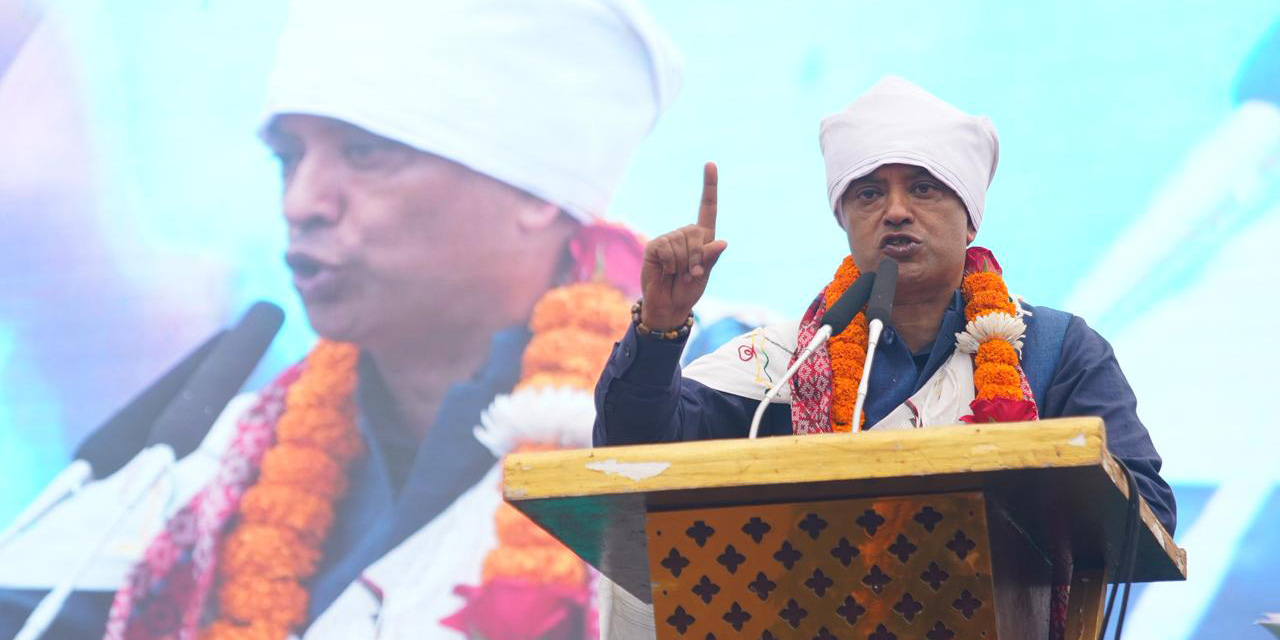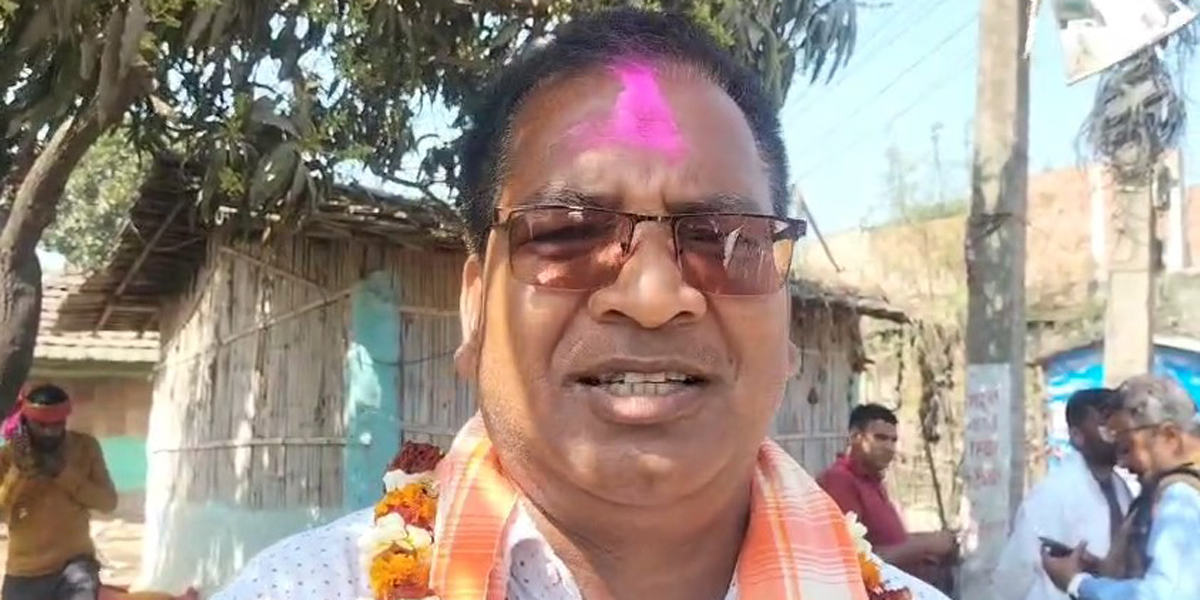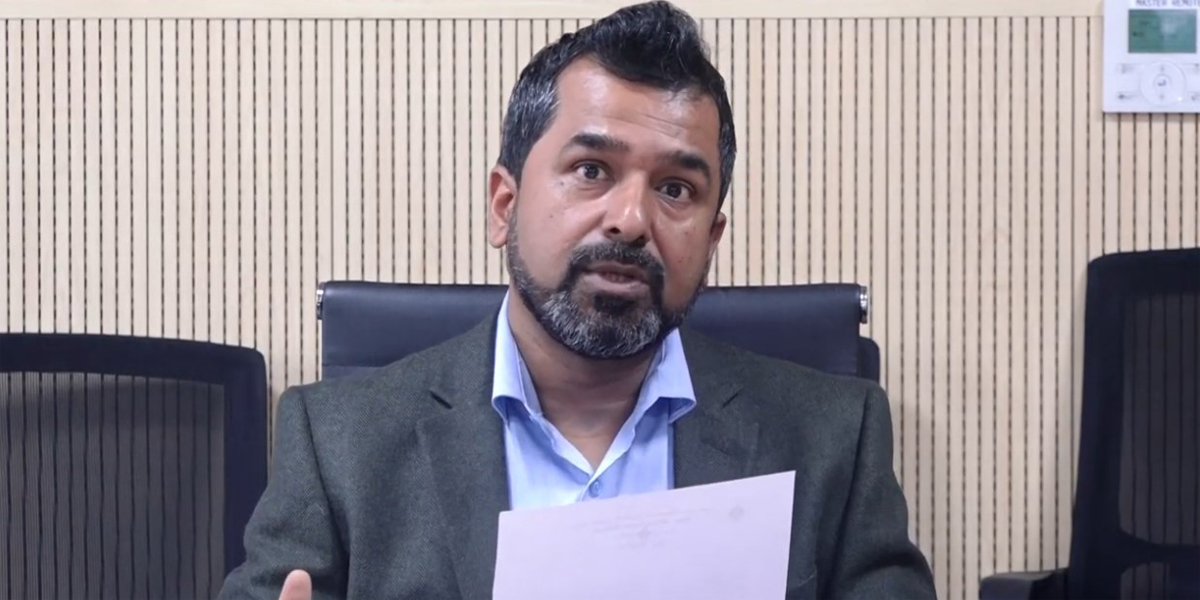
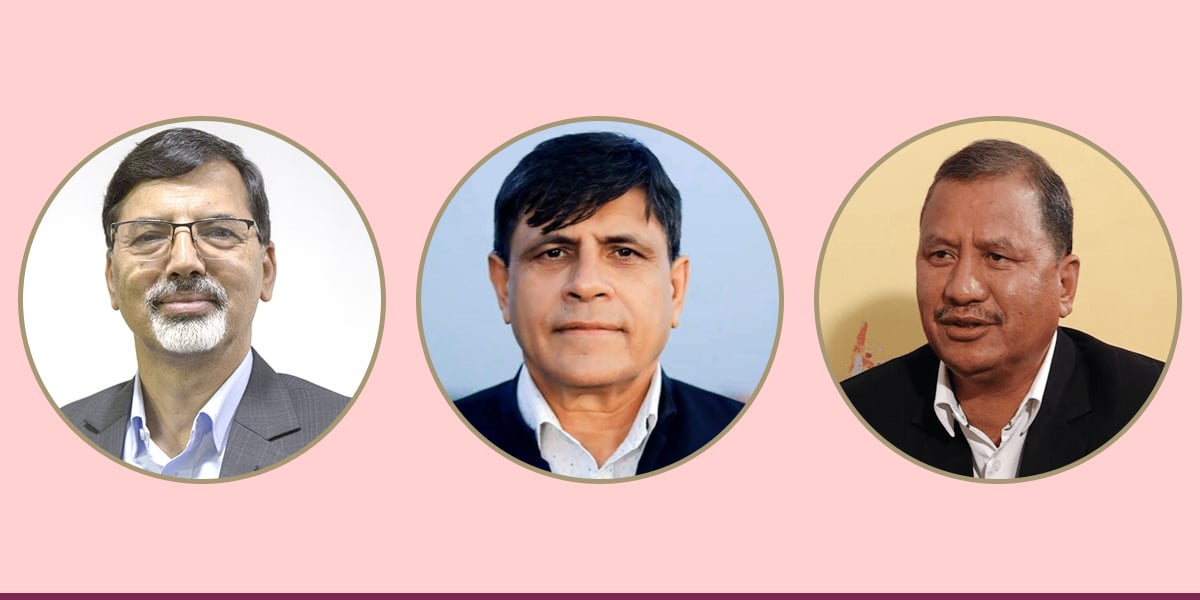
KATHMANDU: Speculation about a new left-wing alliance has gained momentum after three communist leaders—Janardan Sharma of CPN (Maoist Center), Ghanashyam Bhusal of CPN (Unified Socialist) and Netra Bikram Chand of Nepal Communist Party (NCP)—shared a stage at a recent public event.
Speaking at a panel discussion on “Contemporary Politics and the Communist Movement” organized by the School of Marxism on the occasion of Pushpa Lal Memorial Day in Kathmandu, the three strongly criticized the leadership of CPN-UML Chairperson KP Sharma Oli, Maoist Center Chairperson Pushpa Kamal Dahal and Unified Socialist Chairperson Madhav Kumar Nepal. According to them, Nepal’s top communist leadership has strayed from core leftist ideology and values.
While Chand heads his own party, Sharma and Bhusal are considered second-tier leaders in their respective parties and have voiced dissatisfaction with the party line.
Bhusal said that the old leadership is incapable of driving meaningful change, while Chand directly blamed Dahal for weakening the Maoist movement. Sharma went even further, alleging that all past communist prime ministers, except the late Man Mohan Adhikari, were corrupt.
Is Janardan preparing to rebel?
Sharma, who became the center of controversy after the event, has since been at odds with leaders inside his own party. Many members during the Maoist Center’s ongoing Standing Committee meeting have called on Sharma to publicly apologize. He has also faced heavy criticism on different social media platforms.
Despite this, Sharma is using public forums to push for an internal debate on generational leadership change and ideological clarity.
He has expressed frustration that important programs that he spearheaded, such as the farmers’ pension scheme and agricultural volunteer initiatives, were scrapped under Dahal’s leadership. He has also accused the leadership of increasingly embracing liberal and neoliberal policies, in contrast to the party’s stated ideology.
Bhusal’s ideological offensive
Bhusal appears to be building momentum for an ideological reawakening within Unified Socialist. Though he had planned to contest for the position of party chairperson at the recently held general convention of the party, an alliance between Chairperson Madhav Kumar Nepal and Senior Leader Jhala Nath Khanal prevented his candidacy. Now, Bhusal has positioned himself as a voice for generational change, stating that the old guard can no longer offer a viable path forward.
Chand’s strategy: unity or alternative?
Chand seems open for unification with the Maoists but views Dahal as the primary obstacle. His allies have said that past unification attempts failed because Dahal failed to give them due respect. Realizing that the Social Front, which includes these three parties, is not become effective as expected, Chand is now believed to be exploring the possibility of a new left-wing bloc.
Is a left alliance possible now?
According to sources close to Bhusal, the three leaders have taken a strategy to further intensify debate on leadership transition. They are planning a series of joint events starting in Koshi Province, which could lay the groundwork for broader coordination among second-tier communist leaders. Their growing engagement is being seen as a potential step toward political realignment.
However, political analyst Dambar Khatiwada said it would be difficult to create a meaningful momentum within Nepal’s existing political framework. Still, he said these leaders should continue to make an effort for that.
Meanwhile, in an indirect response to Sharma, Dahal said on Sunday that those who have made mistakes should practice self-criticism. Speaking to the media after a Standing Committee meeting on Sunday, he remarked, “Discussions are ongoing. Whoever made a mistake should self-reflect,” he said.
The dissatisfactions voiced by Chand, Sharma and Bhusal may be more than just internal dissent. It could signal the beginning of a new ideological current within Nepal’s fractured left. Whether this momentum results in the formation of a credible new force will become clear in the coming months.