 Himal Press
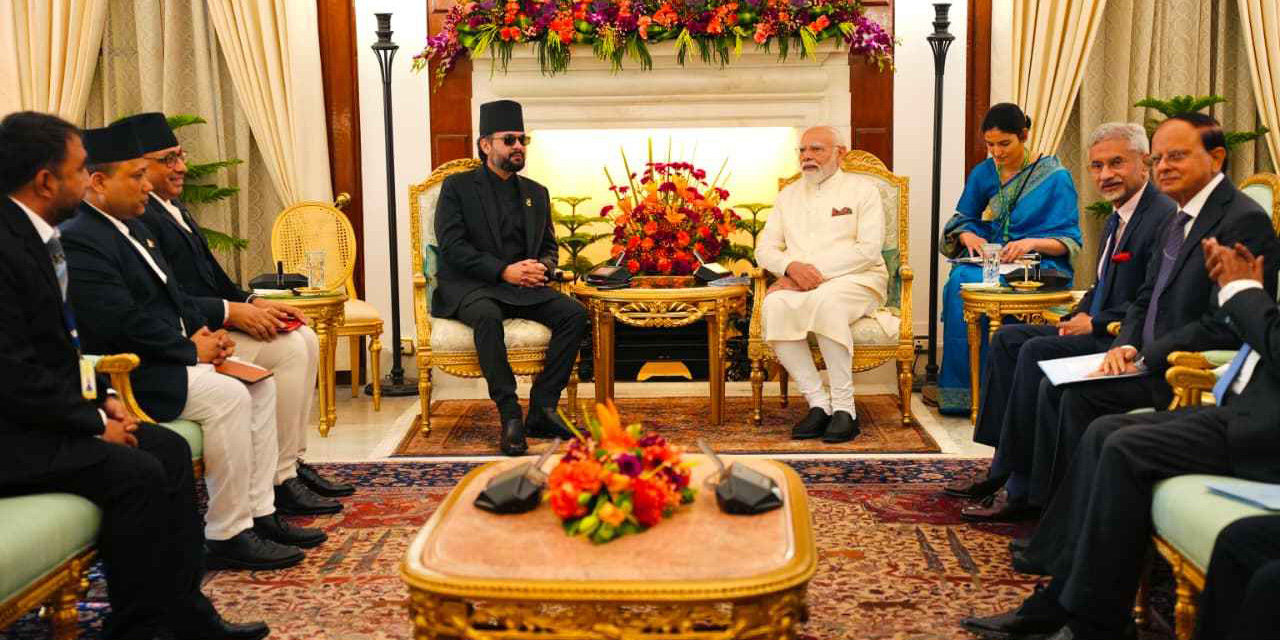
NEW DELHI: India has agreed to make the existing Lucknow-Bhairahawa air route bidirectional, a move expected to improve air connectivity and facilitate the operation of Gautam Buddha International Airport (GBIA) in Bhairahawa.
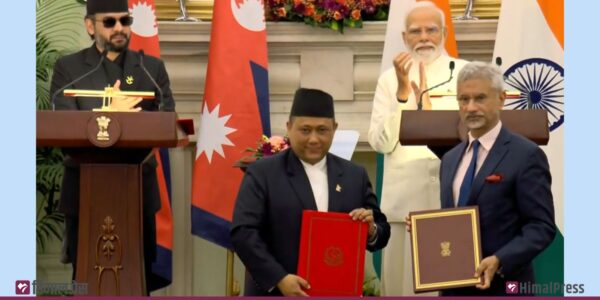
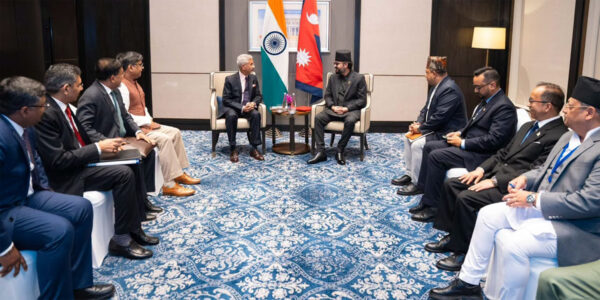
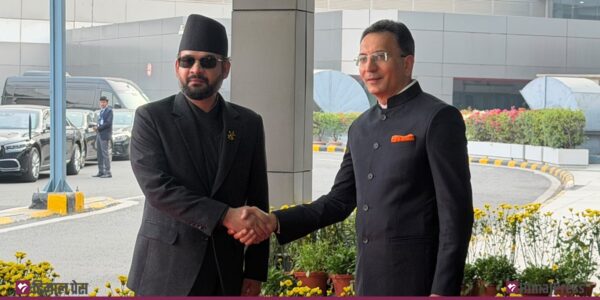
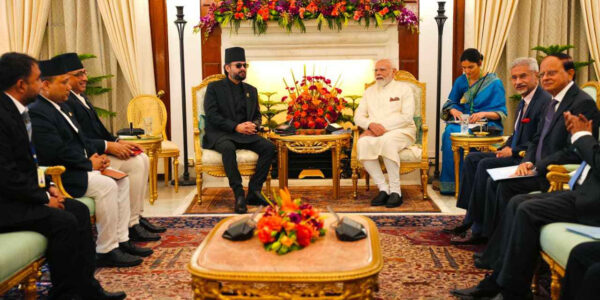
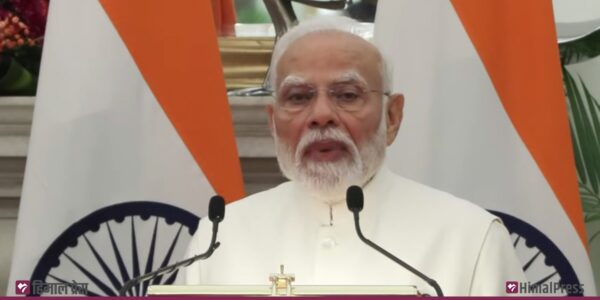
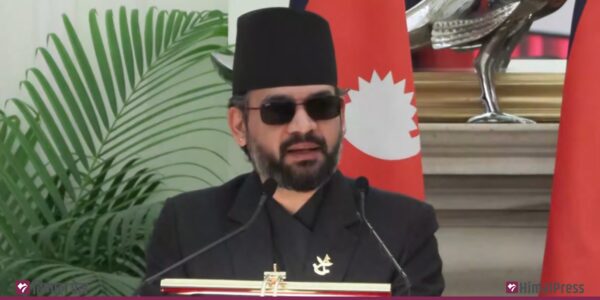
The agreement was announced in a joint statement issued on Monday afternoon by the two countries during Prime Minister Balendra Shah’s two-day official visit to the southern neighbor.
“Both sides agreed that the existing unidirectional B345 Kathmandu-Bhairahawa-Lucknow route will be made bidirectional,” the joint statement said. “Technical consultations will be held to finalize the modalities in this regard and to address other civil aviation proposals from both sides currently under discussion.”
Currently, the route allows aircraft to fly from Nepal towards Lucknow but does not permit entry into Nepal from India through the same corridor. As a result, aircraft approaching Bhairahawa from the western side have to fly eastward to Simara before turning back west to land at GBIA. This detour increases flight distances and operating costs.
There, however, was no progress in Nepal’s demand to make the Mahendranagar air route (L626) bidirectional. India has approved the route only for aircraft exiting Nepal, while Kathmandu has been pushing India for years to also allow aircraft entering Nepal to use the route.
In another connectivity-related announcement, India has offered Nepal access to Deendayal Port, also known as Kandla Port, in Gujarat for its transit trade. Access to Paradip Port in Odisha will also be made available once the required infrastructure is in place.
Nepal had sought access to Mundra Port in Gujarat and Dhamra Port in Odisha for third-country trade.
India also announced development assistance worth 150 billion Indian rupees (approximately Rs 240 billion) to Nepal, comprising grant assistance of 35 billion Indian rupees (approximately Rs 56 billion) for post-disaster reconstruction and new infrastructure projects, and a rupee-denominated line of credit worth 115 billion Indian rupees (approximately Rs 184 billion) for energy sector projects.
“Specific projects as well as modalities for the provision of development assistance will be finalized through mutual consultations,” the joint statement added.