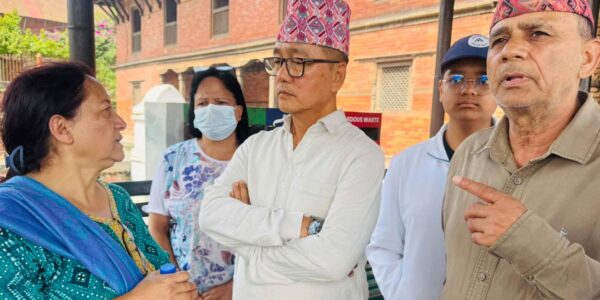
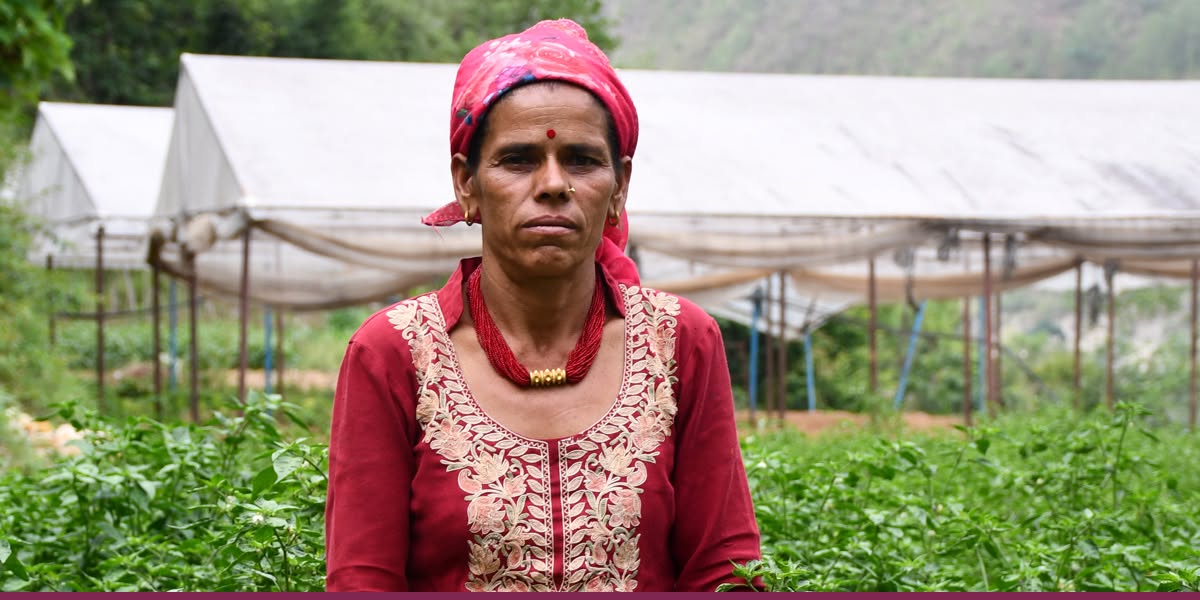
 Kamala Oli of Ranikhet in Nalgad-5 of Jajarkot. All photos: Rama KC
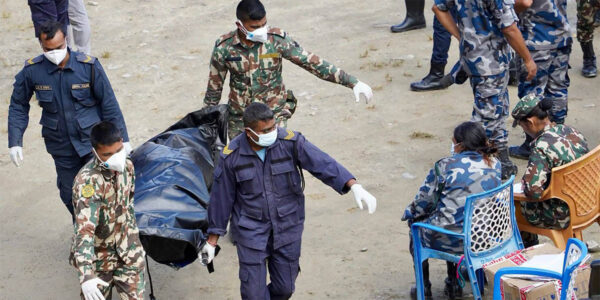
SURKHET: A devastating earthquake that struck late on November 3, 2023, changed the lives of thousands of families in Bheri Municipality, Nalgad Municipality and Barekot Rural Municipality of Jajarkot in a matter of moments.
Hundreds lost their loved ones. Homes collapsed, irrigation canals were damaged, water mills stopped operating, marketplaces fell silent, and many families were forced to live in temporary shelters. For two years, many farmers were unable to continue regular farm work. As a result, agricultural production declined, incomes dried up and uncertainty about the future deepened.
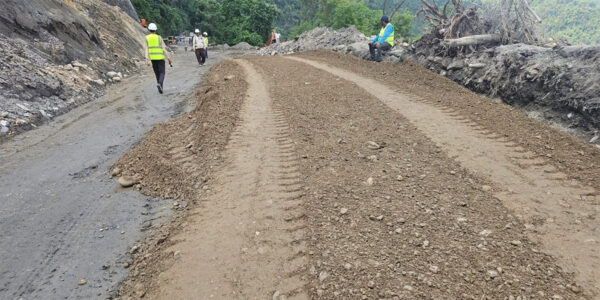
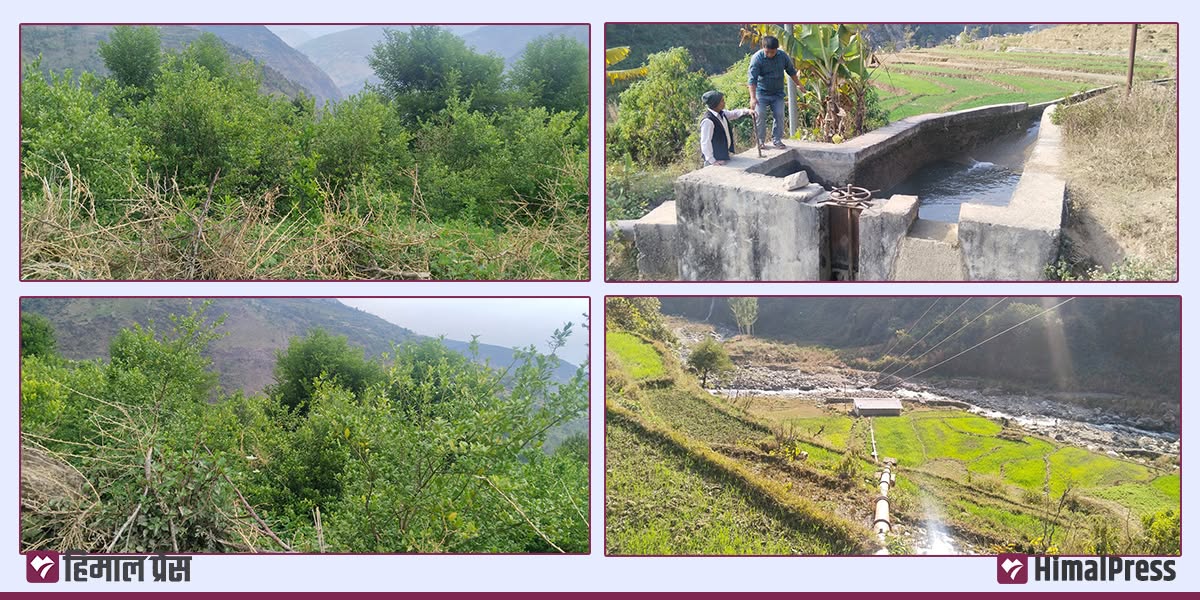
Today, greenery is gradually returning to those quake-affected settlements. Irrigation canals have been restored, locals are busy with farm work, water mills are running again, and local markets are thriving. Locals say reconstruction has begun to restore confidence and hope for self-reliance in the community.
The “Livelihood Improvement and Disaster Resilience Enhancement Program” has been launched with financial support from the Government of Japan, in partnership with UNDP and UN-Habitat, to support recovery and improve livelihoods. The program is implemented by Chhaya Nepal.
Shared service centers, marketplaces, irrigation canals, water ponds and other community infrastructure have been built and restored under the program. Likewise, various capacity-building and income-generating initiatives have been implemented in the quake-hit areas.
Irrigation system restored after two years
For Kamala Oli of Ranikhet in Nalgad-5, the earthquake brought not only the loss of shelter but also concern over food. “We depended on farming for our livelihood. The earthquake severely damaged the land I was cultivating,” she said.
With irrigation canals destroyed, her fields lacked water, making it impossible to grow crops for two years. As a result, vegetable and paddy production was disrupted, which directly affected her family’s income and livelihood.
“Earlier, it was extremely difficult to continue farm activities without water,” she said. “Now that the canal has been rebuilt, both vegetables and crops are growing well. The water mill is operating again. Income has increased, and hope for the future has returned.”
Many farmers like Kamala say rebuilt irrigation canals have helped revive agricultural activity in the village.
Income rises with farming
According to Prashant Oli of Chhepka in Nalgad-2, damage to irrigation canals deprived 122 households of adequate irrigation for two years. This forced local farmers to rely only on seasonal crops during the monsoon.
“Now that the canal has been repaired, farming can be done year-round,” he said. “Vegetable production has increased, and it is easier to sell in the market. Our incomes are gradually improving.”
Locals say many farmers have now begun commercial vegetable farming.
Min Rawal, Karnali Province manager of Chhaya Nepal, said the program aims not only to rebuild damaged structures but also to make communities economically and socially self-reliant. He said programs such as irrigation, livelihood support, capacity building and community infrastructure development have been implemented in an integrated manner.
“Our priority is to strengthen the ability of the local community to recover after disasters,” Rawal said. “By expanding income opportunities alongside infrastructure development, we are aiming to build long-term resilience.”
Bir Bahadur Giri, chairperson of Barekot Rural Municipality, said agricultural production has increased alongside reconstruction.
“Earlier, there was despair in the village. Now farmers have increased production, market transactions have grown and confidence has returned to the community,” he said.
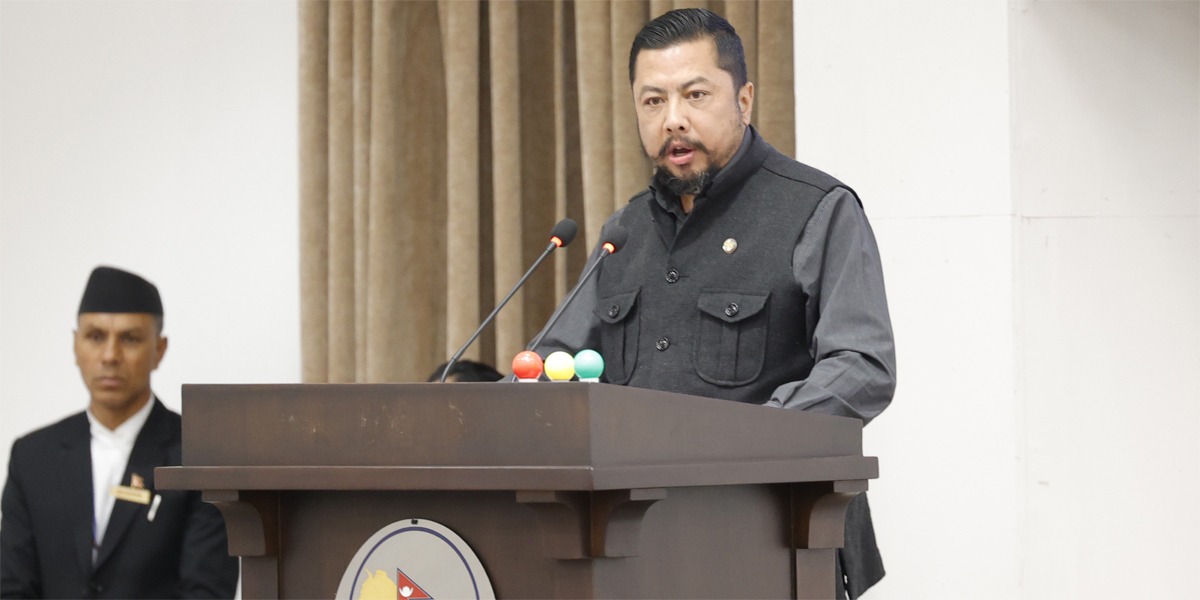
Bheri Municipality Mayor Chandra Prakash Gharti also said reconstruction has brought new energy to affected communities.
“The cooperation among local governments, development partners and communities has laid the foundation for sustainable rebuilding,” he said. “The earthquake caused immense damage, but reconstruction has given communities the strength to move forward again.”
Shared service centers, marketplaces, irrigation canals, ponds and other infrastructure built in Bheri, Nalgad and Barekot are now helping to expand local economic activity. Increased agricultural production and improved market access have played a significant role in restoring livelihoods after the disaster, locals say.
The earthquake destroyed homes, shattered dreams and forced many families into hardship. But reconstruction efforts have opened pathways to new hope, new opportunities and self-reliance. As homes and infrastructure rise again, so does community confidence.