
KATHMANDU: The Nepali Congress’s strategy of pushing the CPN-UML out of provincial governments appears to be backfiring.
With the UML’s talks with the Nepali Communist Party (NCP) to form a new alliance heading in a positive direction, the NC is now facing the risk of being relegated to the opposition in provinces.
Frustrated by the UML’s stance, the Nepali Congress (NC) had decided to change its coalition partners in provincial governments. It had planned to form a new coalition with provinces. However, the NC’s decision seems to have brought the UML and the NCP closer.
Provincial politics took a new turn last week after NC ministers left the Karnali Province Government in line with the party’s decision to quit the alliance with the UML in provinces. According to NC leaders, the party was forced to leave the government after the UML refused to agree to a rotational arrangement for running the government. NC had also reservation with UML chief ministers over the budget for the fiscal year 2026/27. Because of the disagreement between the two parties, the Sudurpashchim Province Assembly has not been able to pass its fiscal budget.
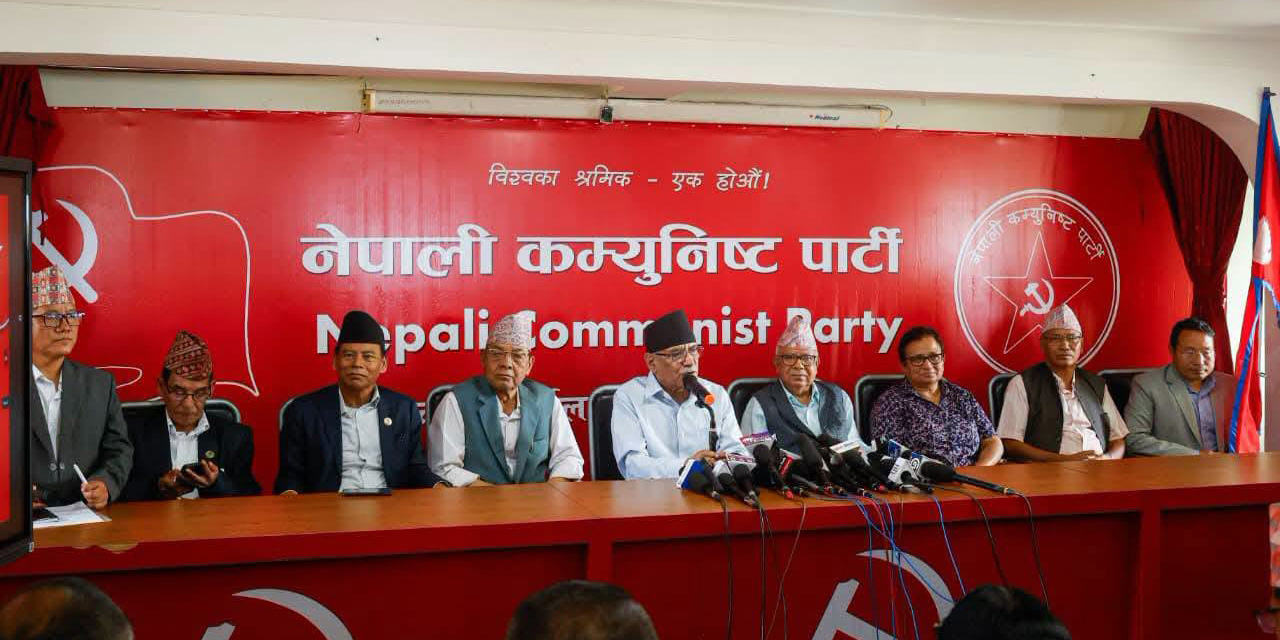
Just as the NC left the government in Karnali, Sudurpashchim Chief Minister dismissed UML ministers from the province government. Now, UML is also beginning to leave provincial governments. UML ministers in Bagmati Province tendered their resignations on Wednesday. The party is holding discussions with the NCP about forming governments together. The NCP, meanwhile, is holding talks with both the UML and NC.
“Both parties are in discussions with us. Let’s see how things move forward,” said NCP Spokesperson Prakash Jwala. “We are also considering the possibility of forming governments with all three parties. Nothing concrete has emerged yet.”
According to Jwala, discussions are currently underway with all parties over power-sharing in the provinces. The NCP is holding talks with the UML and NC on an equal footing. However, the NC is opposed to the idea of three major parties in the provinces joining hands to form provincial governments.
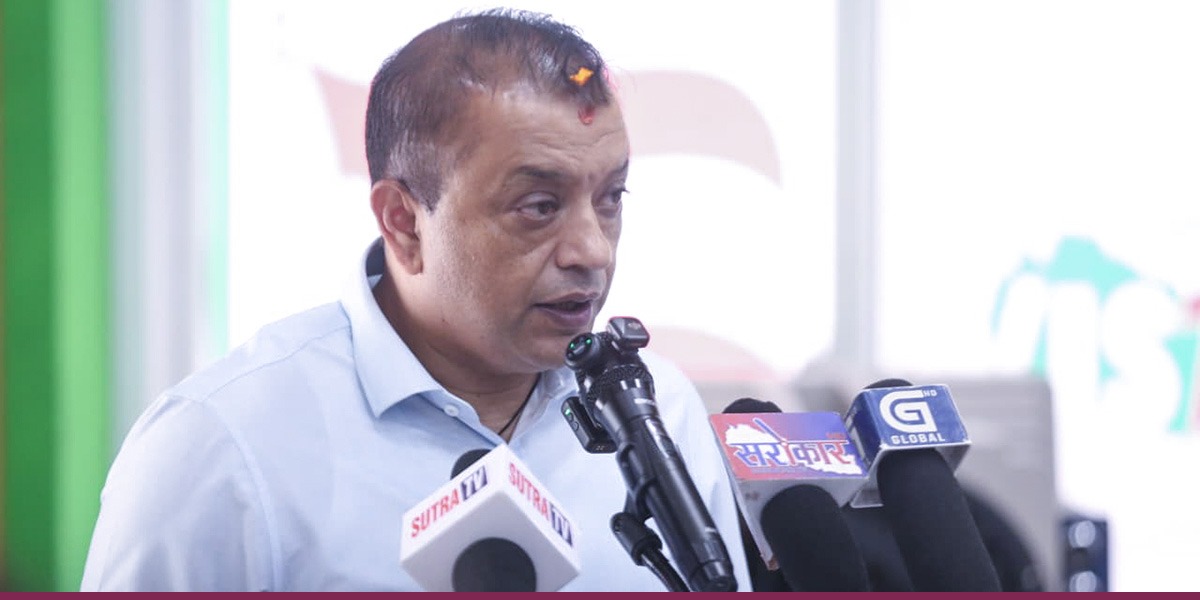
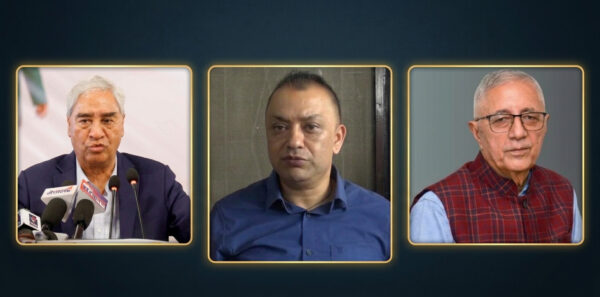
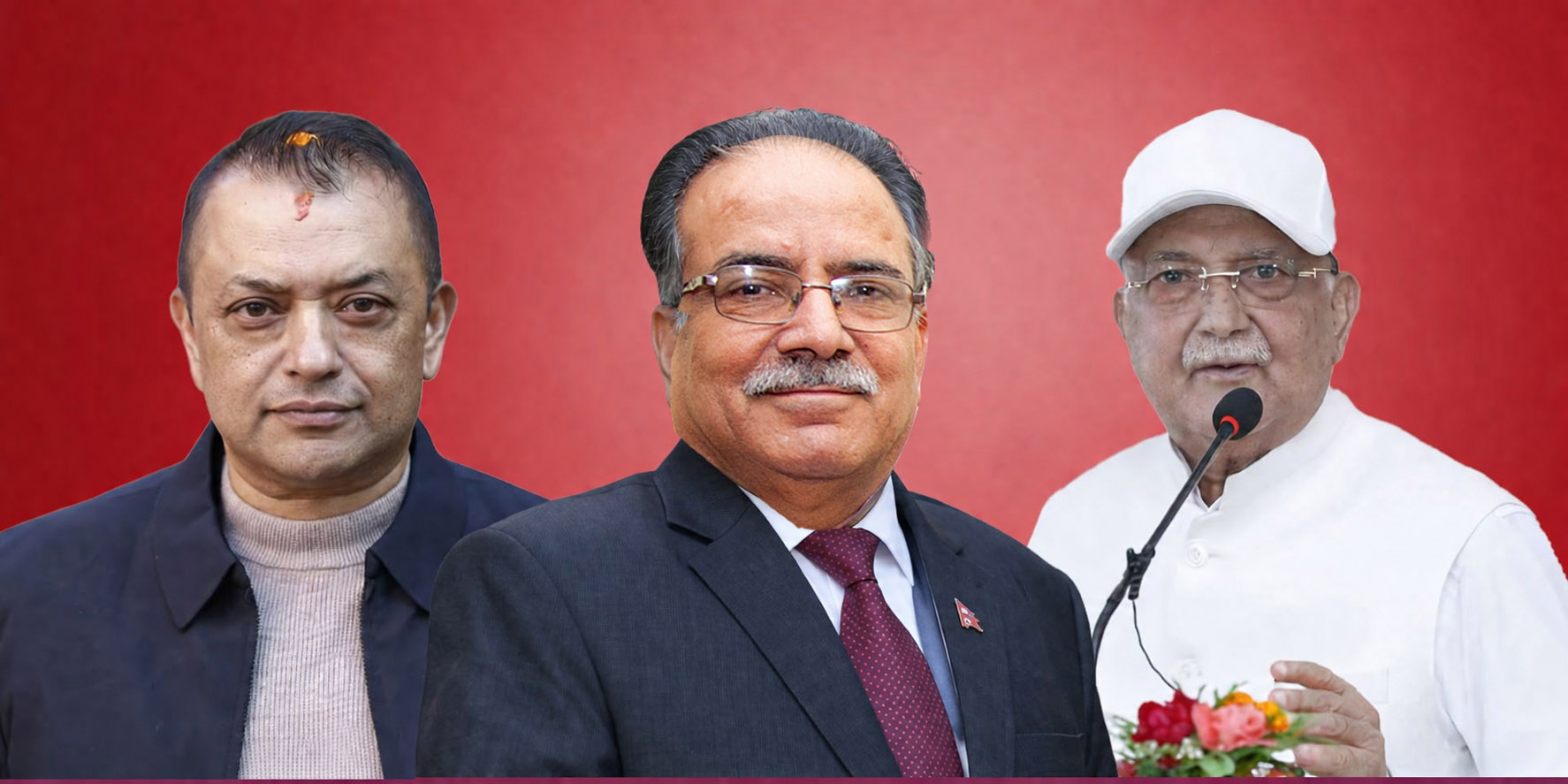
NC President Gagan Thapa has publicly said that provincial governments should not be formed without an opposition party. This means that one of the three parties will have to remain outside the government. This is also why the UML and NCP have moved closer to each other.
On Tuesday evening, Maoist Center Chairman Pushpa Kamal Dahal and UML Chairman KP Sharma Oli also held talks. They discussed power-sharing arrangements in the provinces. Leaders say the recent meetings between the two have brought the UML and NCP closer.
Earlier, Dahal had favored an alliance with the NC within the NCP. However, after NCP leaders suggested that the party should join hands with the UML rather than ally with a party with which it has ideological differences, Dahal moved closer to Oli.
NCP emerges as kingmaker
When then-NC President Sher Bahadur Deuba and UML Chairman Oli formed an alliance at the federal level, the same coalition was continued in the provinces. The UML was allocated the chief ministerial posts in Koshi, Karnali and Lumbini, while the NC got Gandaki, Sudurpaschim and Bagmati. Madhesh was agreed to be given to Madhesh-based parties. However, the equation in Madhesh also changed, and the NC is now leading the provincial government in the province.
The NCP had no participation in any of the other provincial governments as the existing arrangements remained in place. Now that the NC has sought to change its coalition partner and moved closer to the NCP, the UML has also tilted toward the NCP. As a result, the NCP has emerged as the decisive party in the current power equation.
The UML and NCP have the numbers required to form a government in Koshi. In Madhesh, however, the two parties will need the support of the Janata Samajbadi Party Nepal. In Gandaki, they will have to court the Rastriya Prajatantra Party to form a government. In Lumbini, too, the two parties will need the support of parties such as the Nagarik Unmukti Party, JSP Nepal or the RPP. In Bagmati, they will require the backing of the RPP or other fringe parties. In Karnali and Sudurpaschim, however, the UML and NCP have a clear majority to form governments.
According to leaders, the two communist parties have moved closer to each other to explore power-sharing arrangements in all provinces except Madhesh. “It is not yet certain how we will move forward. But even if we leave the government, I don’t think we will be left without power,” a UML leader said.