 Himal Press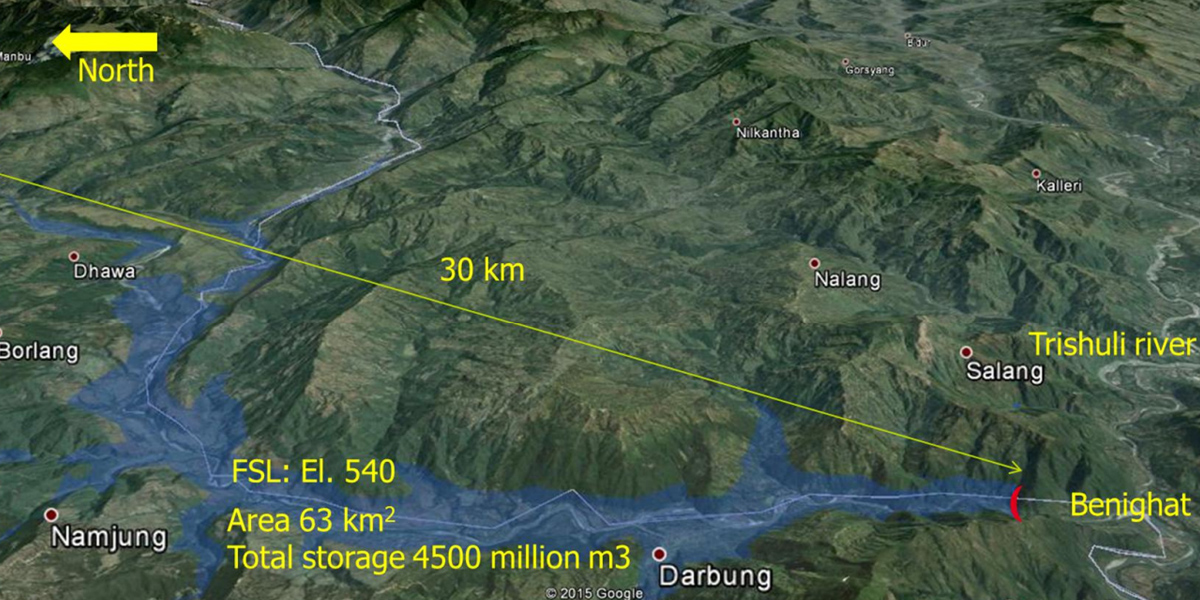
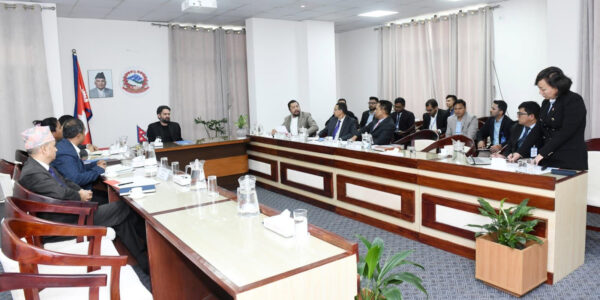
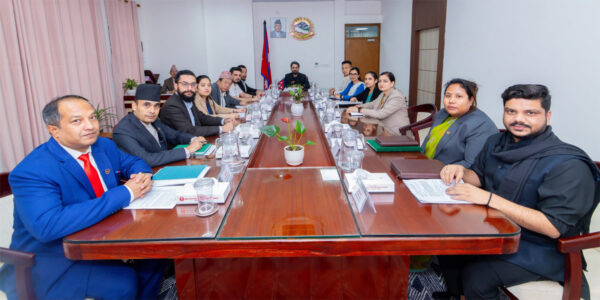
KATHMANDU: The cabinet on Tuesday approved the financing modality for the 1,200 MW Budhigandaki Reservoir Hydroelectric Project proposed by the Ministry of Energy, Water Resources, and Irrigation.
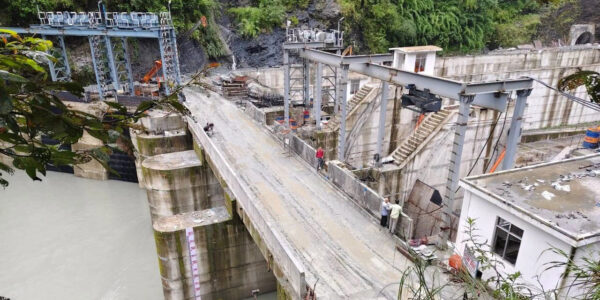
The project, located across Dhading and Gorkha districts, is being developed entirely with Nepali investment. It is estimated to cost Rs 406 billion, including Rs 32 billion in interest during construction. The high-dam, storage-type project is expected to generate 3.38 billion units of electricity annually and is crucial for the country from an energy security perspective. Along with electricity generation, it offers multifaceted benefits, including flood control, irrigation, tourism, fisheries, and rural electrification.
According to the ministry, the project will be financed through a mix of instruments, including equity by the government, the Nepal Electricity Authority (NEA), energy bonds, bank and financial institution loans, concessional government loans, and infrastructure tax collected on petroleum imports. Shares will also be offered to migrant workers, Non-Resident Nepalis (NRNs), and the general public.
As per the approved financing modality, 70% of the project cost will be financed through debt, and the remaining 30% through equity. The government will invest Rs 248 billion, including Rs 97.47 billion in direct funding and Rs 150 billion in concessional loans. About Rs 45 billion already spent on land acquisition and preparatory works will be converted into equity. Similarly, customs and VAT revenues from project-related imports will also be allocated to the project. Likewise, the government plans to invest 50% of the infrastructure tax collected from petroleum products in the project.
Budhigandaki Jalbidhyut Company Limited has already been incorporated to implement the project. NEA holds 20% of the stakes in the company, while the government will hold the remaining 80%.
NEA will contribute Rs 24.37 billion in equity. Additionally, the project will issue Rs 30 billion in energy bonds, while consortium financing of Rs 104 billion is planned with participation from the Employees Provident Fund, Citizen Investment Trust, Social Security Fund, and commercial banks.
The project was first conceptualized during the Gandaki Basin Study in the late 1970s. A pre-feasibility study was completed in 1984, followed by a full feasibility study in 1998. NEA conducted optimization studies in 2010–2011, following which it was designated a national pride project in 2012 by the Baburam Bhattarai-led government.
French company Tractebel Engineering prepared the DPR of the project in 2014.
In 2017, the then Pushpa Kamal Dahal government decided to award the project to China Gezhouba Group Corporation (CGGC) under the engineering, procurement, construction, and finance (EPCF) model without a bidding process. However, the subsequent Sher Bahadur Deuba government revoked the decision a few months later and decided to award the project to NEA.
In September 2018, the KP Sharma Oli-led government again decided to hand over the project to the Chinese state-owned company.
In April 2022, after four years, the government decided to revoke the license issued to the Chinese company and build the project on its own.