 Himal Press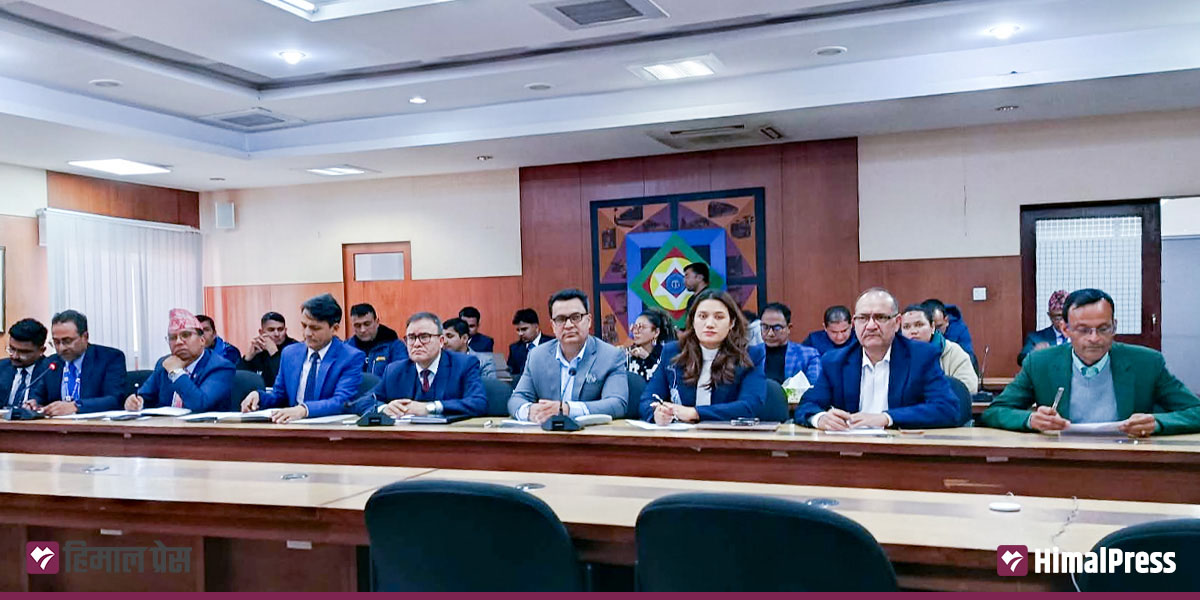
KATHMANDU: The Ministry of Foreign Affairs and the Non-Resident Nepali Association (NRNA) have claimed that all disputes within the NRNA have been resolved.
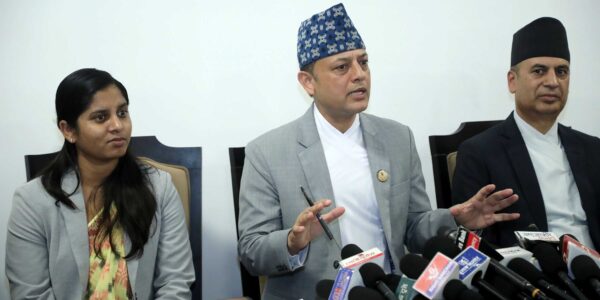
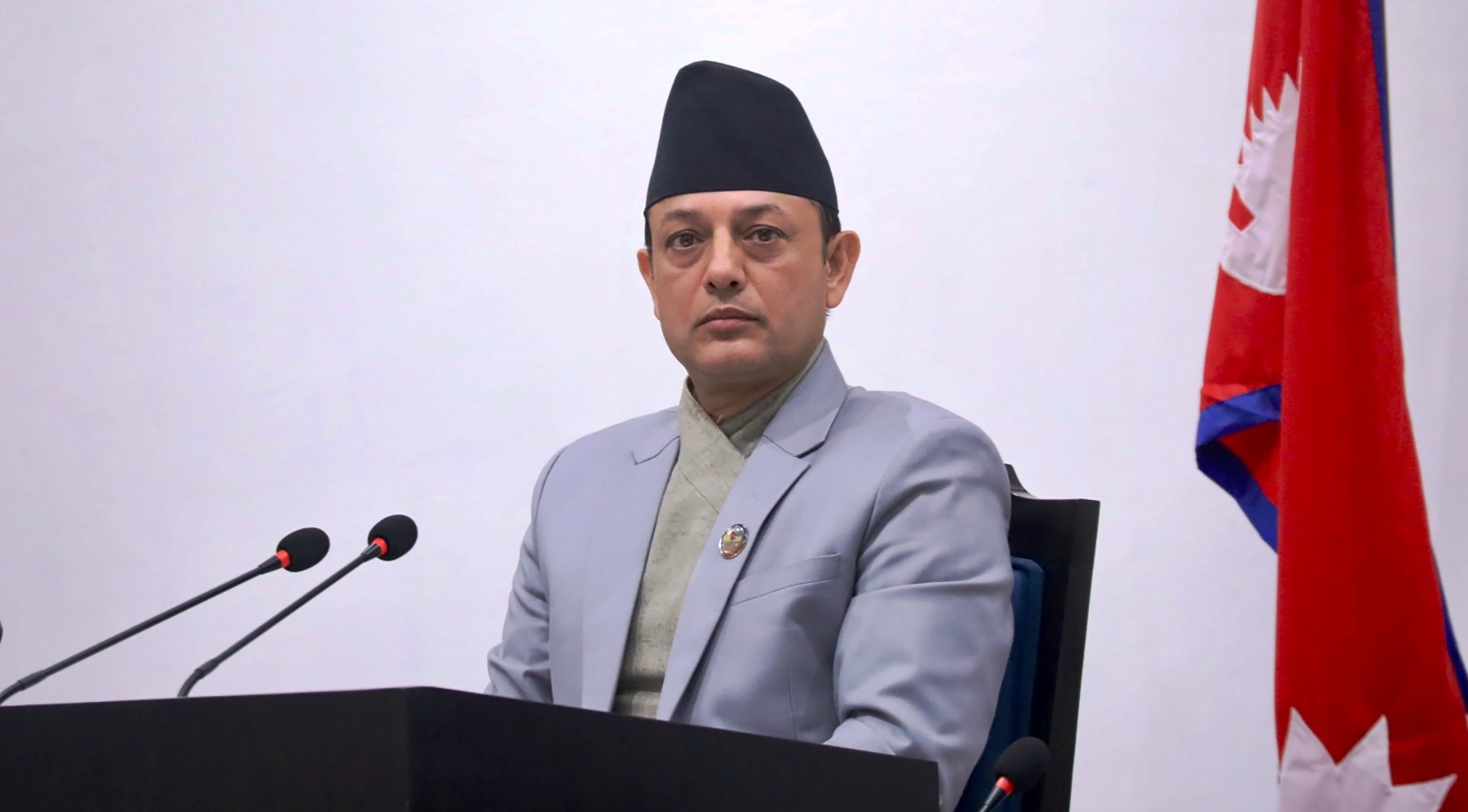
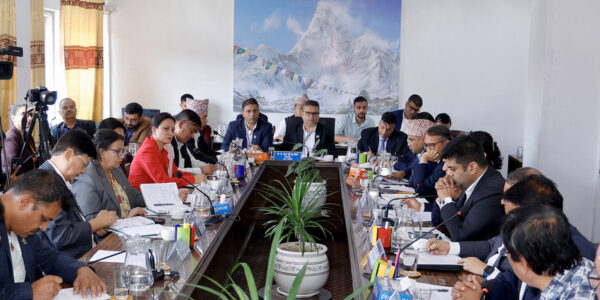
Speaking at a joint press conference in Kathmandu on Monday, Ramkaji Khadka, chief of Labour Migration and Nepali Diaspora Division at the ministry, said all disputes within the association have been resolved and that the NRNA is now united.
Similarly, Foreign Ministry Spokesperson Lok Bahadur Chhetri said the unity within the association had sent a positive message to the country. “Not only the NRNA, but the country as a whole has gained renewed enthusiasm from this unity,” he said.
Likewise, NRNA-ICC President Badri KC said the government must create an environment for migrant Nepalis to cast their votes. “Around eight million Nepalis live abroad. We are ready to bring their knowledge, skills, technology, and capital into Nepal,” KC said. “The government must grant voting rights to Nepalis abroad. Necessary technology for online voting is already available. The association is ready to bear the costs involved.”
He also said that the NRNA has been playing the role of an honorary ambassador of Nepal in places where the foreign ministry is not present.
Another NRNA president, Mahesh Kumar Shrestha, said unity within the association was essential to implement the rights guaranteed to non-resident Nepalis by the Constitution. “Even if it is not possible this time, Nepalis living abroad must be granted voting rights in the next election,” he added.
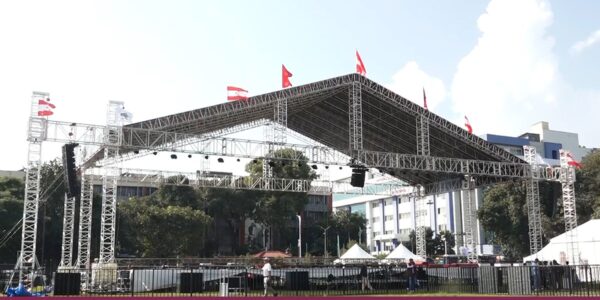
Likewise, NRNA Founding President Upendra Mahato said the NRNA’s campaign would not stop until Nepal becomes prosperous. “Nepal’s prosperity is the ultimate goal of this association,” he said, urging delegates to ensure their participation in the 12th Non-Resident Nepali Global Conference and Mega International Convention to be held in Kathmandu next month.
Established in 2003, the Non-Resident Nepali campaign has been bringing together Nepalis scattered across the world, to utilize their knowledge, skills, capital, and technology for Nepal’s socio-economic development.
The conference will deliberate on issues related to the Non-Resident Nepali Act, citizenship-related rights, collective investment, tourism, health, knowledge, skills, and technology transfer, as well as women, youth, and second-generation Nepalis.