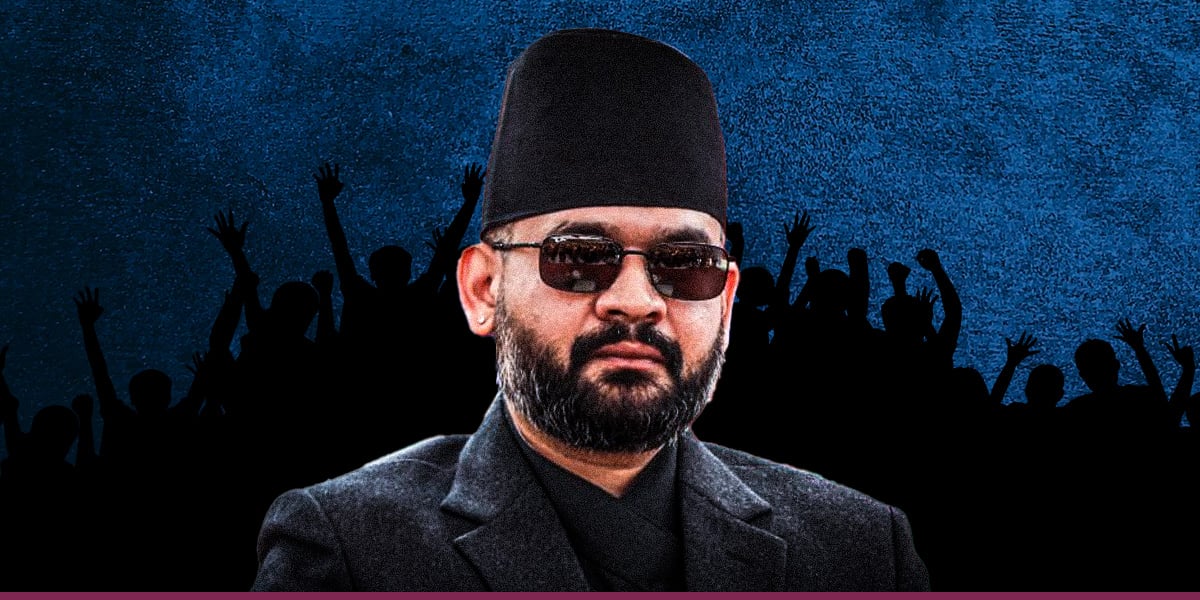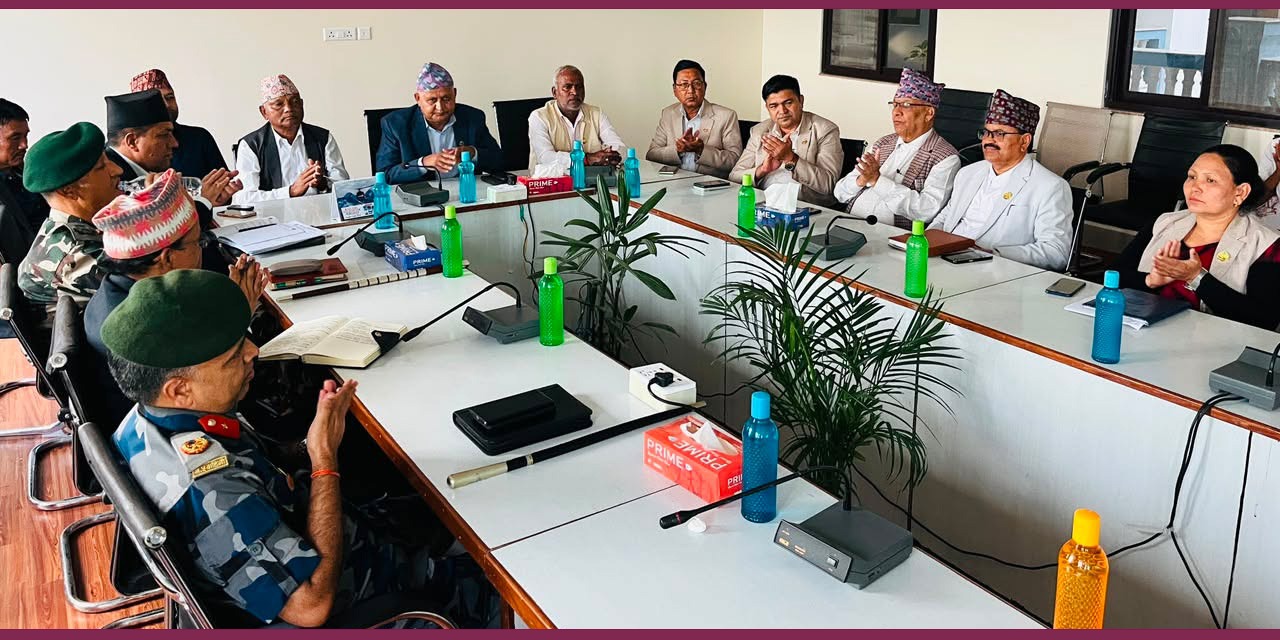
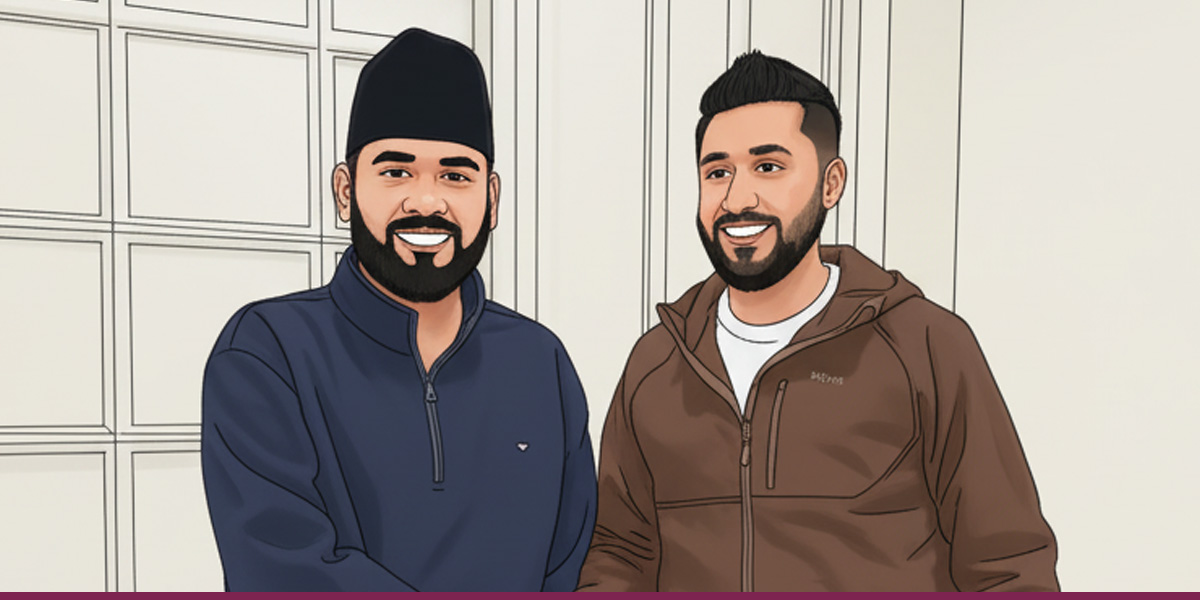
KATHMANDU: With Kathmandu Mayor Balen Shah and the Rastriya Swatantra Party (RSP) formalizing an agreement to move forward together, focus has now turned to how their political partnership will play out in practice.
Equally intriguing is how Balen, who currently leads the country’s largest metropolis, agreed to join hands with the RSP. With substantial public backing on social media, he had the option of forming and leading his own political party. His aides had even registered the Desh Bikas Party to launch his political career. However, he has chosen to contest elections under the leadership of RSP Chairperson Rabi Lamichhane, using the party’s electoral symbol – the bell.
According to the seven-point agreement reached early Sunday morning, the RSP will project Balen as its prime ministerial candidate in the upcoming House of Representatives elections. Lamichhane, meanwhile, will continue as RSP chair.
At first glance, there appears to be little in common between Balen, who won the mayoral race as an independent candidate, and Lamichhane, who entered politics after forming a party. Balen comes from an engineering background, while Lamichhane transitioned into politics from journalism. Balen is known for his reserved and often silent demeanour, whereas Lamichhane is outspoken and regarded as a leader capable of mobilizing the masses. By contrast, Balen’s working style is often described as more “technical”. This difference has raised questions about whether their partnership could face difficulties in the future. Political analysts also foresee potential friction arising from their contrasting approaches.
“They both tend to see themselves as leaders. If that continues, the chances of long-term coexistence are slim,” said political analyst Dambar Khatiwada.
Balen as PM candidate
There had been no notable political interaction between Balen and Lamichhane in the past. When Lamichhane was at the helm of the Home Ministry, Balen was dissatisfied over what he saw as a lack of coordination with Kathmandu Metropolitan City. In the past, Balen had also written on social media that old and new parties were essentially the same, and had even used abusive language against parties, including the RSP. He has now chosen to set aside those differences and join the party.
Under the seven-point agreement, the RSP will project Balen as its prime ministerial candidate. Within the party hierarchy, Balen will rank second, after Lamichhane. The agreement also states that Balen will use the RSP’s party affiliation and election symbol. Beyond this, the document does not spell out further details of cooperation.
“We do not make opaque deals. Whatever has been agreed has been included in the agreement,” RSP leader Ganesh Parajuli told Himal Press.
The RSP has already begun selecting candidates for proportional representation. There are concerns that Balen’s group could be sidelined for the closed list of proportional representation, as only existing RSP candidates are currently being considered. Parajuli, however, insists that Balen’s camp will be given a respectable share. Party sources say Lamichhane and Balen themselves will oversee the proportional candidate selection process.
Another unresolved issue is the extent of Balen’s authority within the party. Earlier, Balen had sought a “respectable share” in the RSP. When that did not appear possible, he had been preparing to enter politics independently through the Desh Bikas Party. His sudden flexibility has led to speculation that he has since been offered a more substantial role in the unity process.
RSP leaders also claim Balen will be accorded due respect within the party. Under the agreement, Lamichhane effectively becomes Balen’s party leader as well. Lamichhane, who previously served as deputy prime minister and home minister, has agreed to step aside in favour of Balen for the prime ministerial role. Party sources say this decision is linked to Lamichhane’s ongoing legal troubles. Although Lamichhane has been released from jail, he has not been acquitted of the charges.
Legal experts say that even if Lamichhane were to win an election, he may be barred from entering Parliament due to a money-laundering case linked to the cooperative scandal. This, party sources believe, is why the RSP opted to project a new face.
However, Khatiwada argues that Balen’s decision to join the RSP for the lure of the prime ministership undermines his moral standing. “Balen saw the temptation of the prime minister’s post. But morally, he has fallen in a way that makes it difficult for him to rise again,” Khatiwada said.
Pressure from the Gen Z movement
Following the Gen Z protests of September 8 and 9, traditional political forces such as the Nepali Congress (NC), CPN-UML and the Nepali Communist Party (NCP) have struggled for relevance and are now attempting a comeback. They argue that the Gen Z movement was destructive and cannot be considered a political movement. If the NC and UML return to power, there is a possibility that the protests may be framed as a “conflict incident” aligned with Gen Z sentiment.
Balen and the RSP are currently under pressure from this broader context. In earlier discussions, Balen had suggested moving forward in line with Gen Z sentiment. “Embracing the Gen Z movement is the need of the hour. We have taken the idea of unity positively,” Gen Z activist Raksha Bam said after meeting Balen last Thursday.
Another Gen Z activist, Sudan Gurung, went so far as to lock the gate during Balen–Lamichhane talks, insisting that they could not leave without reaching a conclusion. Such incidents also added pressure on both leaders.
Both sides have their own interests in this alliance. Within the RSP, there is no clear alternative leader after Lamichhane. Lamichhane has already experienced the difficulty of keeping the party functional during his time in jail.
For Balen, leading a new party would also have been challenging. By joining the RSP, which already carries the banner of alternative politics, and securing a clear path to the premiership, his political journey has become easier.
“It is not easy to move forward with a new party. The RSP is a party that has already found its track,” said a leader close to Balen.
What will Kulman do?
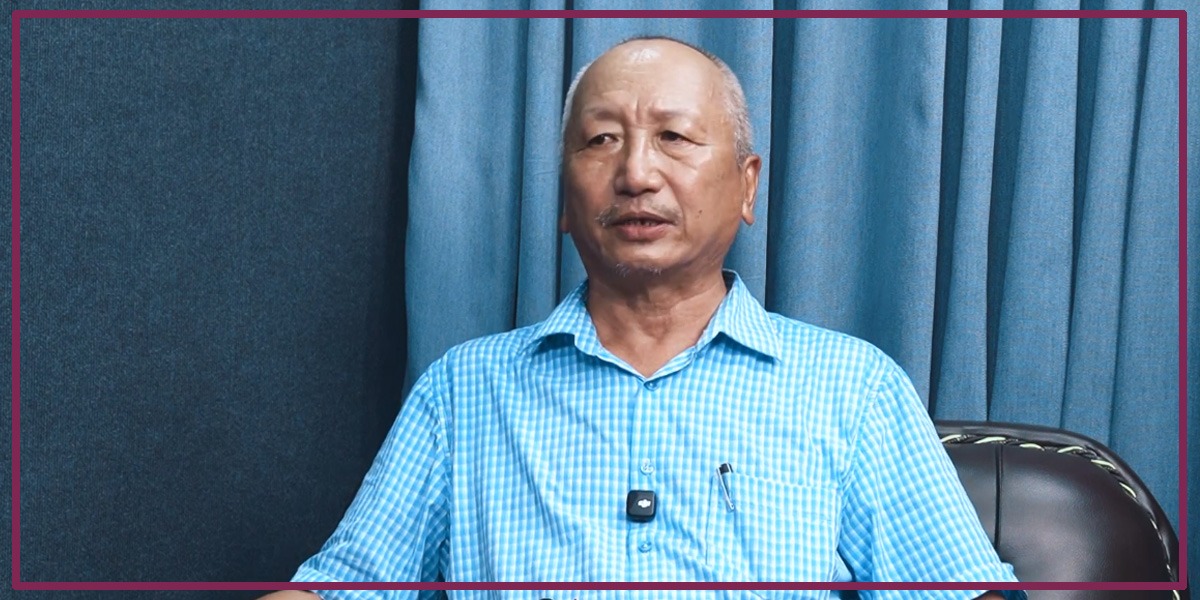
The Ujyalo Nepal Party, led by Energy Minister Kulman Ghising, had also been in unity talks with Balen and the RSP. However, it withdrew from the process at the last moment.
After the talks failed, Ghising said he would not pursue unity at the cost of his party’s existence.
“We will not pursue unity if it puts our existence at risk,” said Ujyalo Nepal Spokesperson Raju Thapa. “It is not that we are against unity, but we want ownership as well.”
Thapa said the party had sought a sense of ownership even during talks with the RSP. “We proposed that the merged entity include either our party name or our election symbol, but a consensus could not be reached,” he said, adding that discussions are still ongoing.