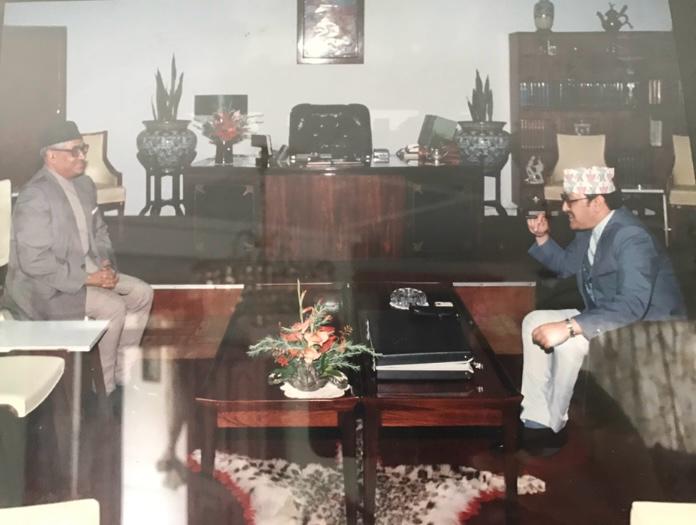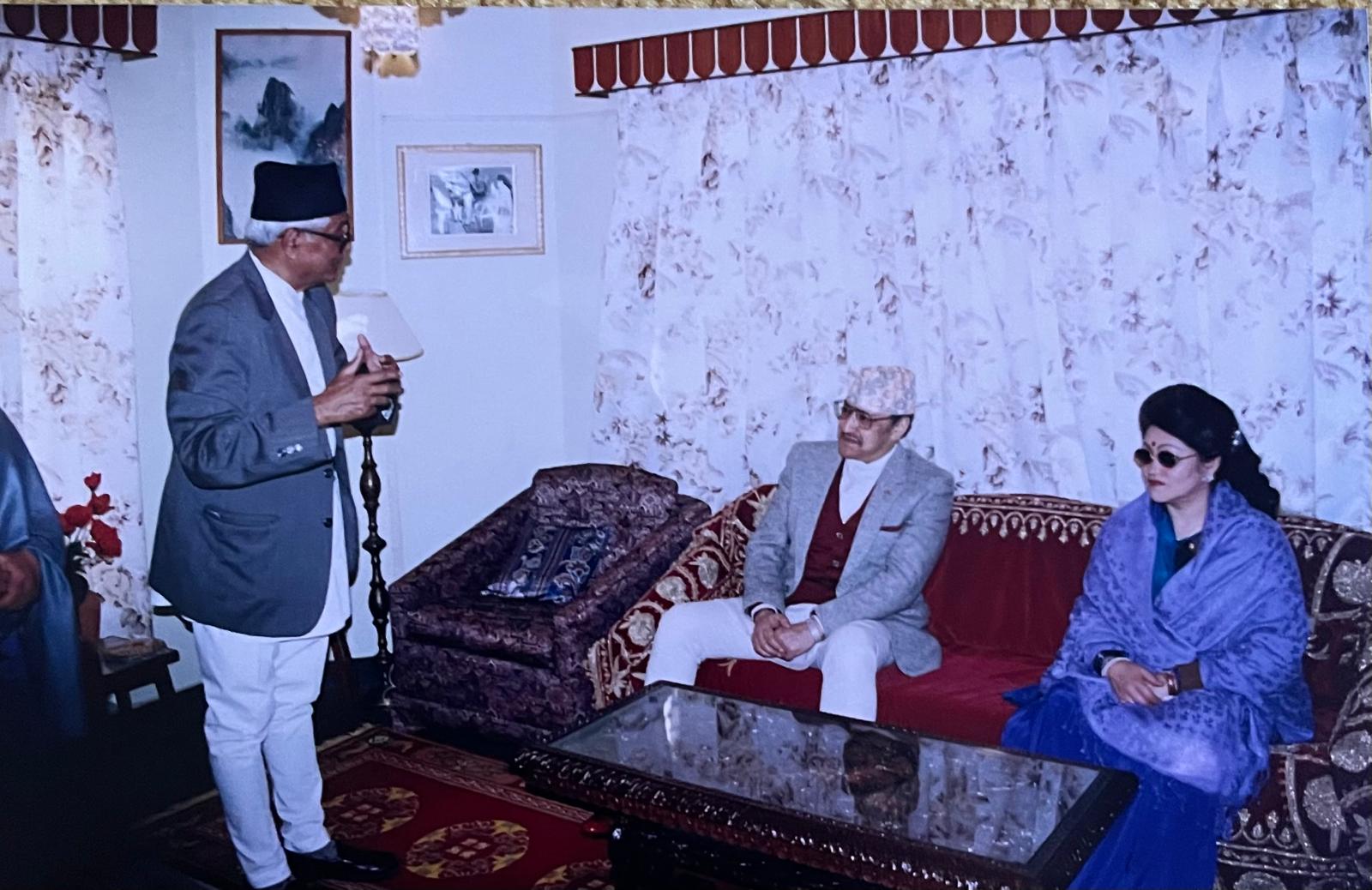
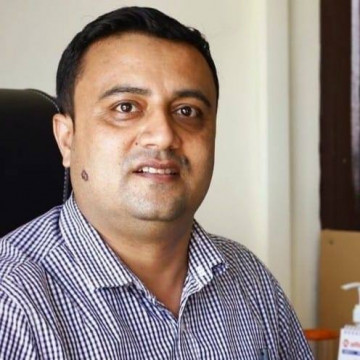
 All Photos: Shrestha family
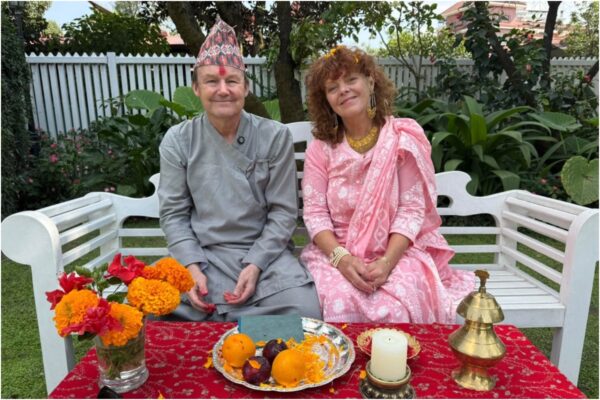
KATHMANDU: Former ambassador and administrator, Prof Surendra Bahadur Shrestha, passed away at Mediciti Hospital in Lalitpur on Saturday evening. He was 89.
Although his voice will no longer speak and his pen will write no more, the light of his ideas, the strength of his principles, and the depth of his love will not fade.
Shrestha’s last rites were performed at the Pashupati Aryaghat cremation grounds on Monday. The funeral was delayed by two days to allow his younger son, who had returned to the United States only a few weeks before his death, to arrive for the final rites.
Despite living abroad, his sons ensured their parents were never alone. After Shrestha underwent hip surgery, one son always remained in Nepal to care for him and his septuagenarian spouse.
Shrestha’s life was an open book, with every page written in truth and every line grounded in justice. He held a master’s degree in Political Science from Allahabad University, India, which laid the foundation for his analytical ability and decision-making capacity.
His career in public service was defined by integrity. He initially refused the post of Lumbini Zonal Commissioner, accepting it only after King Birendra insisted a second time. As zonal commissioner, he fearlessly acquired lands held by Palace associates and ensured peace in the Koshi Zone during the 1979 protests without firing a single bullet. However, demonstrating his commitment to democratic ideals, he resigned as soon as the referendum was announced, fearing manipulation by those in power.
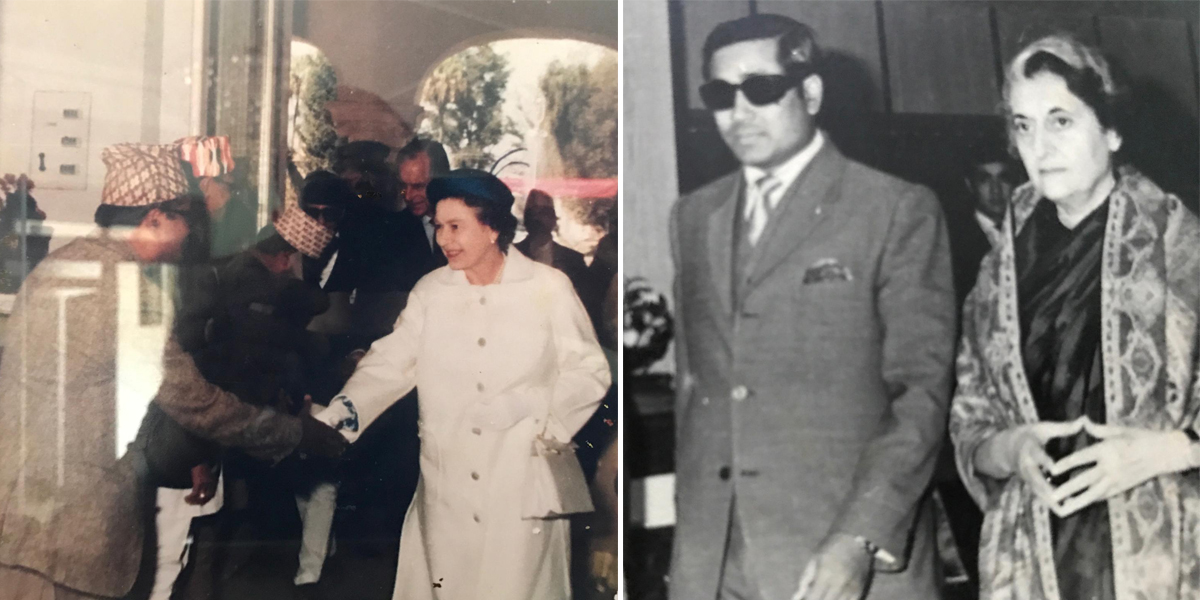
Shrestha later served as Nepal’s Ambassador to Saudi Arabia, where he oversaw affairs in 10 Gulf countries. He famously invited the then–Crown Prince (now King) Salman bin Abdulaziz Al Saud to Nepal’s National Day event in Riyadh—an occasion still remembered in foreign affairs circles.
After the political movement of the 1990s, Shrestha was one of only two ambassadors to resign on moral grounds. However, democratic leaders like Girija Prasad Koirala and Krishna Prasad Bhattarai insisted he complete his term, valuing his democratic principles.
Although Kings Mahendra and Birendra placed full trust in him, Shrestha never hesitated to question the Palace. His son, Sanjay, recalls an instance when someone complained that Shrestha had not organized a grand celebration for the King’s birthday. Shrestha replied to the King, “I did what the budget allowed. I did not want to collect donations from businessmen. So I kept it simple.” The King smiled and replied, “You did the right thing, Surendra.”
On another occasion, when King Birendra and Queen Aishwarya attended the wedding of Shrestha’s sons, the King commented on his nice home. Shrestha told the King, “I built it with what I saved from my scholarship abroad, long before I became zonal commissioner.” The King simply smiled and said, “I know.”
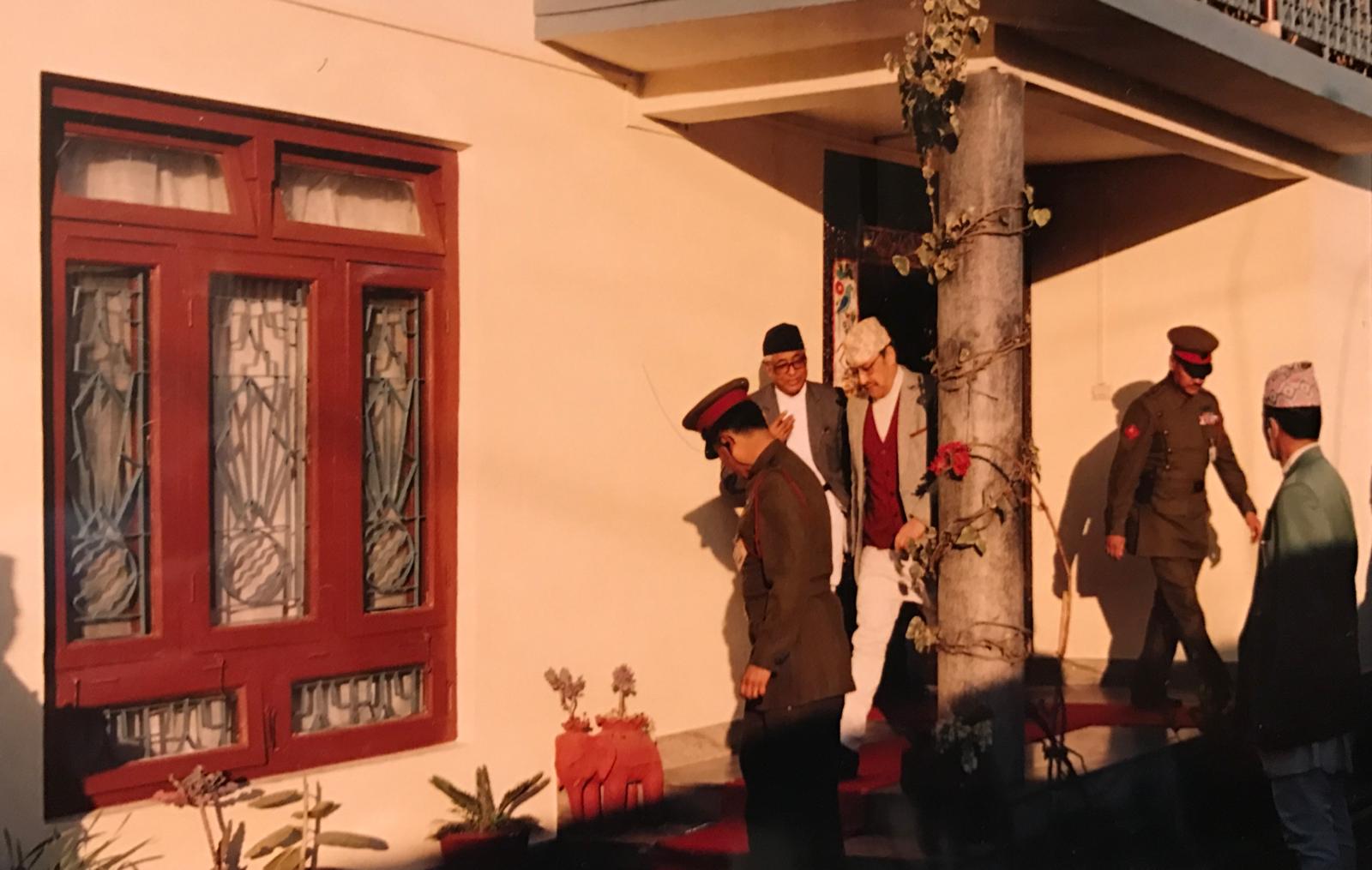
Beyond administration, Shrestha left an indelible mark on Nepal’s academic landscape. He refused high-profile roles—such as chair of the Water Supply Commission, the Election Commission of the Institute of Foreign Affairs—stating he preferred “to teach and learn.”
He is credited with laying the foundation for Saraswati Multiple Campus and strengthening the Nepal Administrative Staff College. As Deputy Rector, his collaboration with Rector Goraksha Bahadur Nhuchhe Pradhan infused new energy into the institution.
He taught at Tri-Chandra College, Patan Multiple College, and Tribhuvan University. His students included prominent leaders such as President Ram Chandra Paudel and former ministers Kamal Thapa, Arjun Nar Singh KC, and Keshar Bahadur Bista. He also spent over a year as a visiting professor at universities in the United States.
“Life should be simple, not luxurious,” Shrestha used to say, and he lived by that motto. He never prioritized personal interests. Honesty, discipline, and commitment to the public good were the four pillars of his life.

An avid reader and writer, his books, Administrative Decentralization in Nepal and Contemporary International Relations, are regarded as essential resources for bureaucrats and diplomats. He remained active until the very end. His final article, titled “Seventeen Years of Federalism: Achievements and Challenges,” was written just days before his death.
He was a close friend of noted diplomat Dr Bhesh Bahadur Thapa. Thapa describes Shrestha as a “guardian of fearless thought, a thinker devoted to action, and a man of unwavering commitment to the public good.”
As a former president of the Nepal Council of World Affairs, Shrestha’s leadership during Indira Gandhi’s historic address earned wide respect. He also served twice as an expert delegate to the UN General Assembly.
The flame of integrity he lit will never go out. May his soul rest in eternal peace.