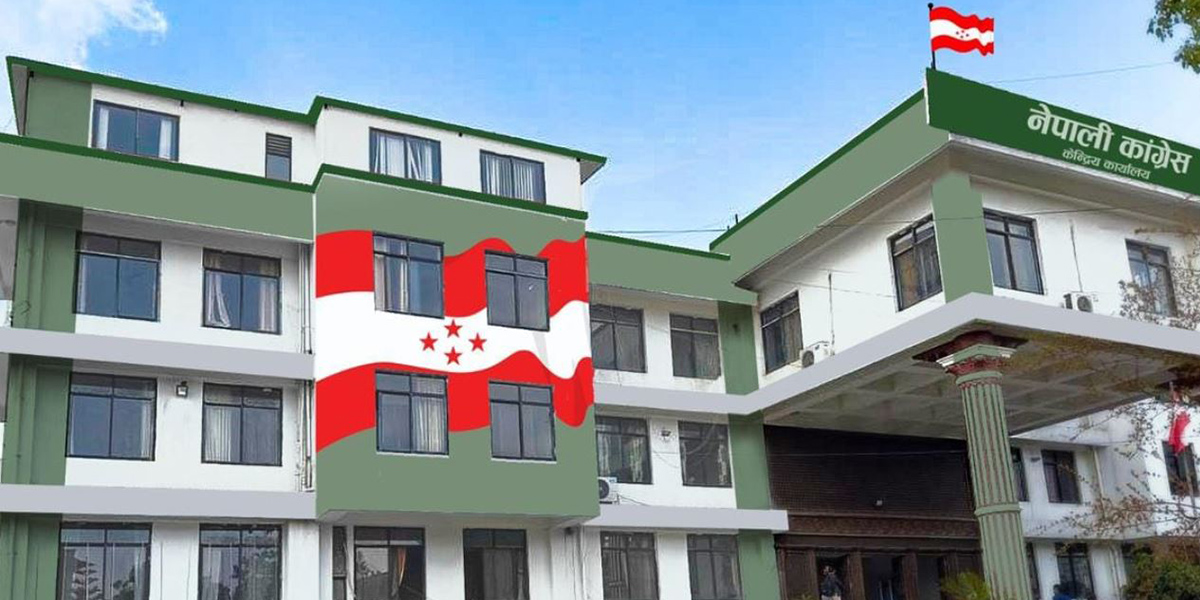

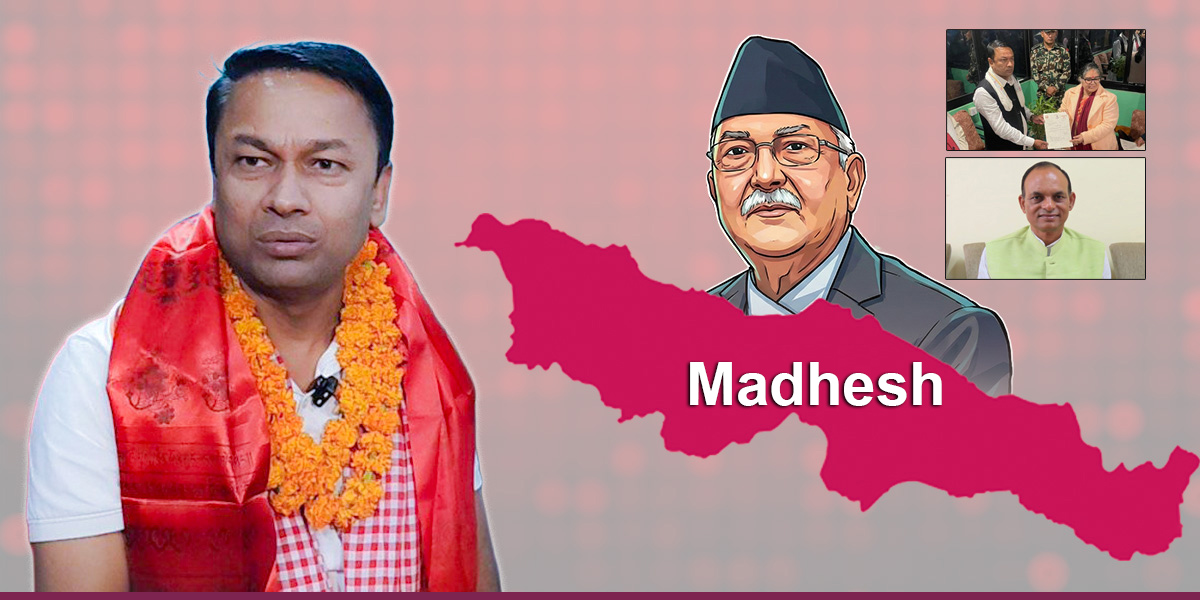
KATHMANDU: Until the second week of November, the CPN-UML held a strong grip over the political power balance in Madhesh Province. The party controlled two of the province’s most influential posts. Sumitra Subedi Bhandari, who was picked by CPN-UML Chairperson KP Sharma Oli, was serving as the Province Chief, while Ram Chandra Mandal was the Speaker. Mandal, who came from a Maoist background, chose to remain with the CPN-UML following the Nepal Communist Party (NCP) split.
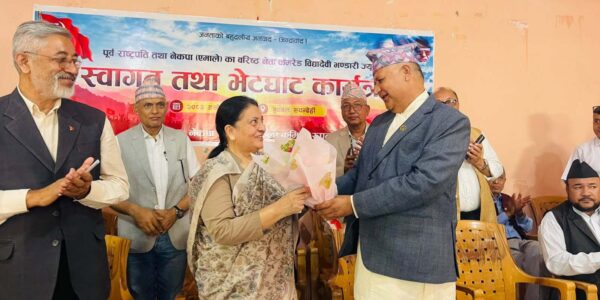
By leveraging these two positions, the UML also managed to secure the most powerful executive post — the Chief Ministership — virtually overnight. But by December 2, the UML had lost all three powerful positions in Madhesh.
The party first lost its Province Chief, Bhandari, on November 10, followed by Speaker Mandal on November 19. And on Monday, December 2, Chief Minister Saroj Kumar Yadav resigned after it became certain that he wouldn’t pass the floor test. Yadav announced his resignation during the assembly meeting itself. In just 22 days, UML lost all three important posts.
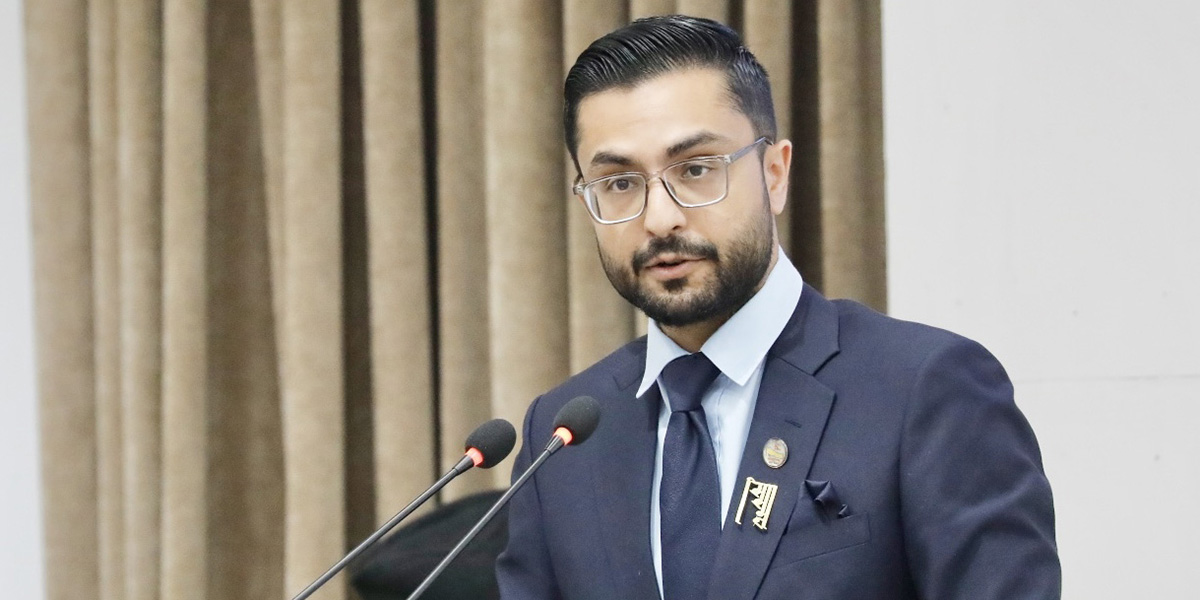
The seven-party opposition alliance boycotted the assembly meeting called to vote for Yadav’s confidence motion. Apart from UML members, no other provincial lawmakers were present in the meeting. Addressing the near-empty chamber, Yadav said he had become Chief Minister out of compulsion, not desire, and therefore could not be certain of winning the trust vote.
He sharply criticized the former coalition partners, saying the UML had supported all parties when needed but received no support in return. Yadav insisted that the Supreme Court ruled his appointment constitutional, rejecting claims by the seven parties that he had been appointed unconstitutionally.
Earlier, 74 lawmakers, including the parliamentary party leader of Nepali Congress (NC), Krishna Prasad Yadav, had filed a petition at the Supreme Court seeking to annul Yadav’s appointment. The top court issued a mandamus, stating that a government must be formed under Article 168(2) if the Chief Minister fails to secure a vote of confidence.
UML lawmakers themselves now admit the party suffered a political setback in Madhesh. One UML provincial legislator told Himal Press that the party’s pursuit of power led to a series of missteps that ultimately cost the party all key posts in the province. “We warned our leaders from the beginning, but they refused to see the mistakes,” the lawmaker said. “The party tripped over dollars to pick up pennies.”
Yadav’s sudden appointment as Chief Minister had already drawn internal dissent. UML’s chief whip Hari Narayan Mahato had opposed the move, arguing that the government should have been formed under Article 168(2) and not 168(3).
After former Chief Minister Jitendra Sonal resigned, Yadav was accused of pressuring the then-Province Chief Bhandari to appoint him under 168(3). This angered the NC, which had previously been aligned with UML.
A UML legislator said the party’s insistence on forming a government under its own leadership, by sidestepping the NC, ultimately backfired. NC and UML had maintained cooperation until Sonal resigned before the confidence vote. NC was expected to lead the next government. But the overnight appointment of Yadav under 168(3) derailed that understanding, drifting NC away toward other opposition parties.
The crisis deepened on November 9, when the province chief appointed Yadav as Chief Minister and administered the oath at a hotel in Bardibas at 4 am the next day, despite having an option of calling for government formation under Article 168(2). The episode triggered widespread criticism, and the President removed Bhandari from her position the same day on the recommendation of the Council of Ministers.
The UML suffered another blow when Speaker Mandal was removed from office on November 19. Before that, Mandal had controversially declared five lawmakers disqualified for missing 10 consecutive meetings. The Supreme Court later stayed the decision.
Meanwhile, Rastriya Prajatantra Party lawmaker Kanchan Biccha, who became minister in Yadav’s cabinet, lost her seat in the province assembly after the party expelled her. The lone Federal Socialist Party lawmaker, Bimala Ansari, also lost her ministerial position following Yadav’s resignation.
With the UML now out of power, preparations are underway to form a new government under Article 168(2) as per the Supreme Court’s ruling. Although seven parties are united against the UML, it is still unclear who will become Chief Minister, as both the Congress and Loktantrik Samajbadi Party (LSP) Nepal have staked their claims.
A majority of 54 is needed to form a government in the 107-member Madhesh Province Assembly. The seven parties, excluding UML and Federal Socialist Party, command 78 seats – NC has 22, Janata Samajbadi (JSP) Nepal has 19 (including one suspended), Janamat Party has 13, Nepali Communist Party has 16, LSP Nepal has 9 (including one suspended), and Nagarik Unmukti Party has one.