
 Dr Mahabir Pun
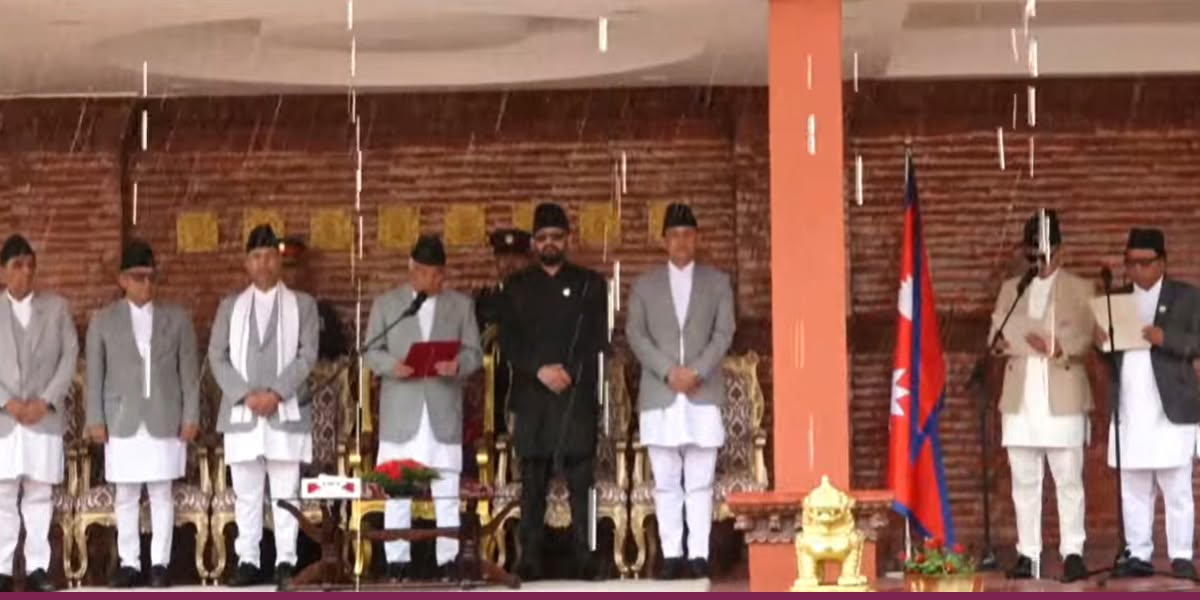
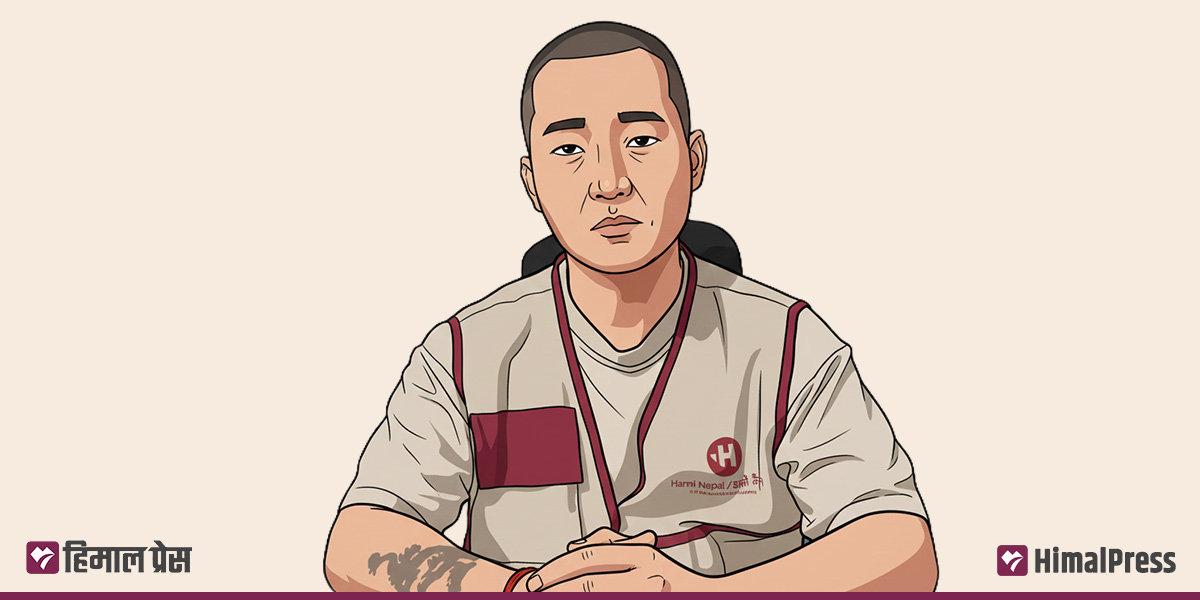
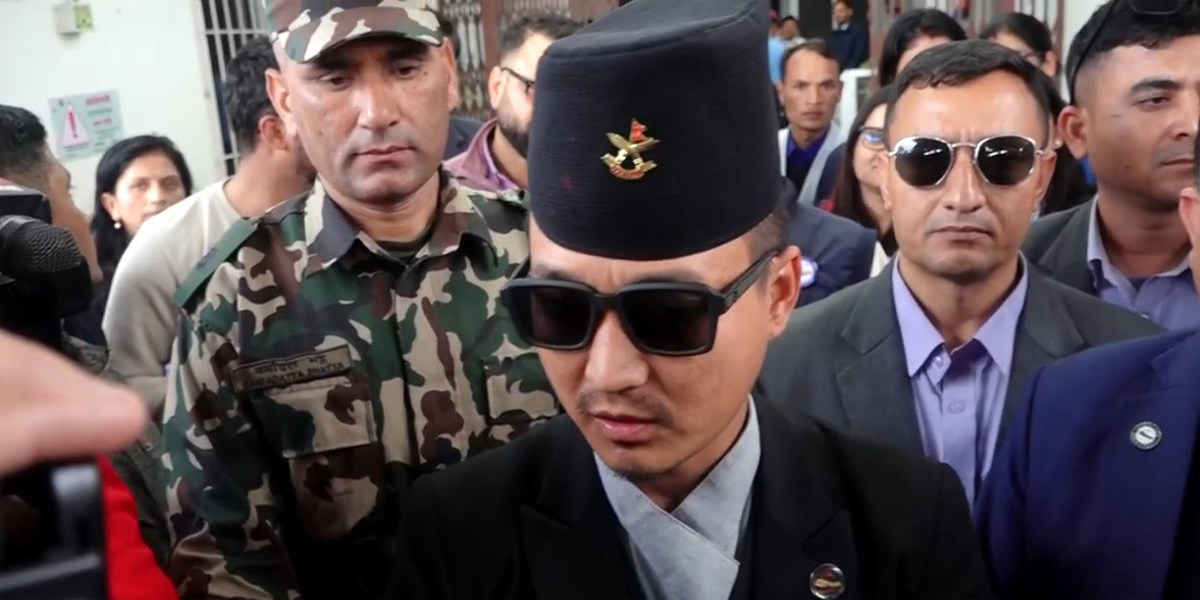
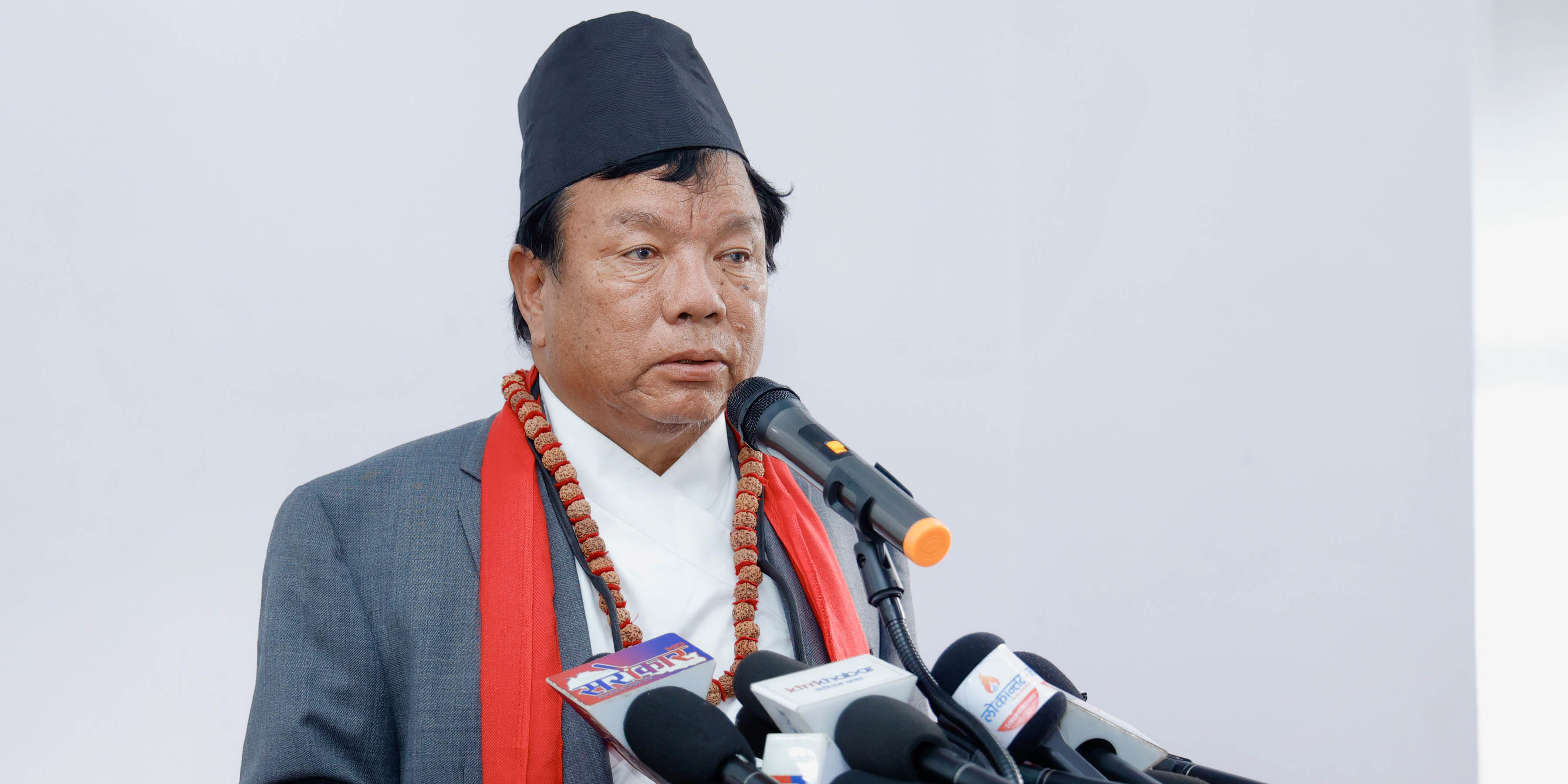
KATHMANDU: Prime Minister Sushila Karki, who took office with the mandate of holding elections, has expanded her cabinet by appointing subject experts as ministers. She has chosen Dr Mahabir Pun as the Minister for Education, Science and Technology in line with the preference of the Gen Z generation.
Born in January 1955 in Nangi village of Myagdi, Dr Pun is a scientist, inventor and social worker. A Ramon Magsaysay awardee, he is especially known for expanding internet and technology access to rural areas and for promoting youth entrepreneurship and innovation. At present, through the National Innovation Centre, he has been working on new technologies, research and enterprises.
Through the National Innovation Centre, Dr Pun has also initiated a campaign to revive Nepal’s old industrial assets. Under this initiative, he has been entrusted with operating the Agricultural Tools Factory in Birgunj. He has been selling his autobiography across the country to raise funds for the restoration of the factory.
The factory aims not only to manufacture agricultural tools but also to develop new technologies and equipment. Pun says it will provide farmers with modern and affordable tools while also contributing to employment generation and technological advancement within the country.
Creative, outspoken, upright and unblemished, Pun’s rise to the ministerial post is built upon his long record of contributions to society both at home and abroad. Now, he faces challenges in maintaining his popular image. In the past, he often vented frustration against political parties and leaders on social media. Now, as a minister, he must operate within institutional constraints while still meeting public expectations. How he manages to do so remains to be seen.
Before taking the oath of office and secrecy, Minister Pun had already shared his plans. Writing on a social media post on Monday, he invited suggestions on tasks to be completed within five months. No minister before him had sought public input so openly.
Whether Minister Pun will be able to address the very demands he once raised is a pressing question. In April 2023, he staged a sit-in at Maitighar Mandala with several demands, which the government agreed to on April 30. Now he is in a position to implement the agreement.
Meanwhile, public education in the country is losing appeal, while private education is thriving. Pun, who previously expressed concern about public education and criticised universities for turning into factories of unemployment, has a golden opportunity to push for reforms.
Universities plagued by politics and controversies over meritocracy have failed to provide efficient services. Bringing universities back on the right track should be one of his objectives at the ministry. Similarly, addressing demands raised by stakeholders regarding the School Education Bill will be another challenge for Pun. The demands of temporary, relief, and school employees, as well as early childhood teachers, are complex. Teachers’ bodies and private school promoters have their own sets of demands.
Although he is a minister in an electoral government, educationist Bal Chandra Luitel believes Pun can still initiate some changes. “We are aware that daily administrative work will take up most of his time. But since our school education is on the verge of collapse, policy decisions for reform can still be made,” Luitel said. “There are issues of textbooks, educational materials and teacher deputation. Regularising the Teacher Service Commission’s process for permanent recruitment would help. Until now, people carrying party flags have led the Ministry of Education. Since Mahabir Pun is someone who has actually achieved things, he may be able to make policy decisions with long-term impact.”