 File Photo
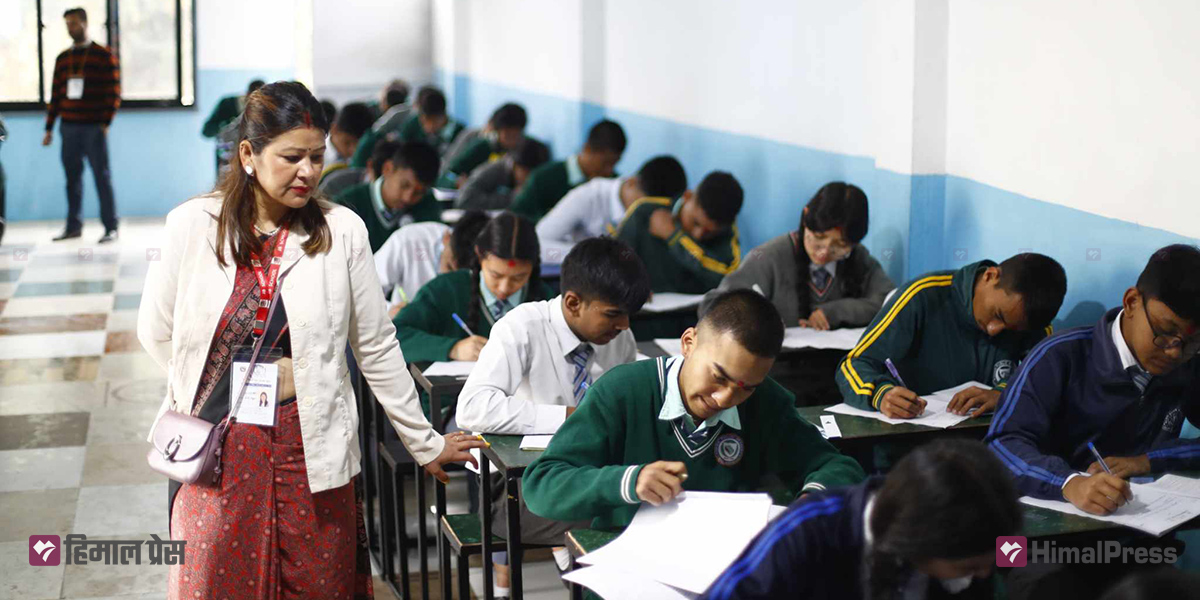
KATHMANDU: As this year’s Secondary Education Examination (SEE) and Grade 12 results show a significant increase in pass percentages, people are questioning whether these results reflect actual improvement in the quality of education or are simply the outcome of relaxed evaluation standards and systemic loopholes.
This year, 61.81% of students passed the SEE, a notable jump from last year’s 48%. Likewise, 61.17% cleared the Grade 12 exams, compared to 52.12% in the previous year. However, educationist Prof Dr Bidya Nath Koirala says improved pass rates alone do not signify progress.
“Students have learned the art of passing,” Koirala said in an interview with Himal Press. “They realized the questions are mostly repetitive. Also, many have figured out how to use computers to search for answers.” He sees the improvement not so much as a sign of academic progress, but rather as a result of students and teachers adapting to a predictable system.
Koirala also suspects that easier question sets and lenient evaluation could have played some role. “Our teachers know how to leak questions, and students know how to cheat. I am not saying it is happening everywhere, but it does happen in many places,” he said.
Meanwhile, Prime Minister KP Sharma Oli’s public comments suggesting that 70% of students should pass have also been criticized for exerting undue pressure on education administrators and exam boards. “His statement indirectly pressured the examination board to prepare easier questions and hinted to evaluators to be generous,” Koirala said.
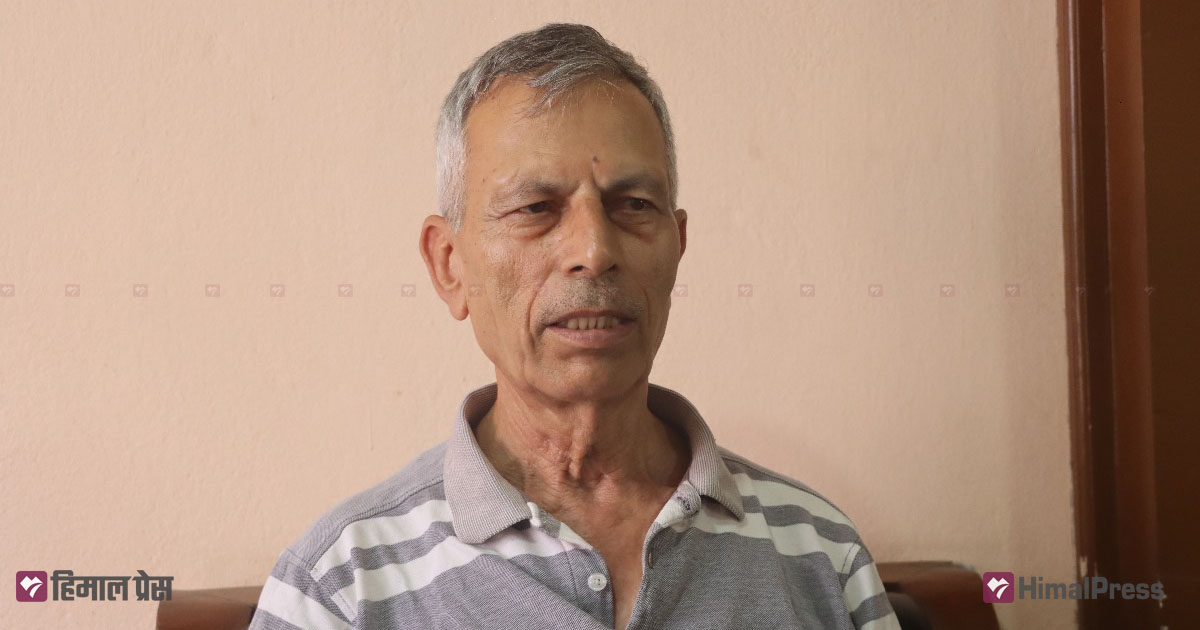
Koirala questioned the authenticity of the assessment system itself. “In a credit-hour system, the concept of failure shouldn’t exist,” he said, referring to the global practice where students accumulate credits rather than simply pass or fail subjects. “If a student fails English, can’t we think of letting them pass without it? After all, not everyone wants to study English.”
He also raised concerns about inclusivity and linguistic diversity, particularly in subjects such as Nepali, where many students from indigenous communities face challenges. “Teachers don’t understand the native linguistic background of their students. This is also one problem,” he said.
When asked about the overall quality of education, Dr Koirala emphasized the need for a national framework defining what “quality” means. He and Dr Roop Munakarmi recently prepared such a framework for the Bagmati Province Government, covering elements such as curriculum balance, technological literacy, local knowledge, research and employability.
Despite improved results, Koirala believes students are still not learning life skills. “They know how to pass, but not how to earn a living,” he said. “We don’t teach them how to make something out of what they have. Banana leaves, for example, can feed cattle, but who is teaching our students how to use them creatively?”