 Himal Press
  Graphic: ICIMOD
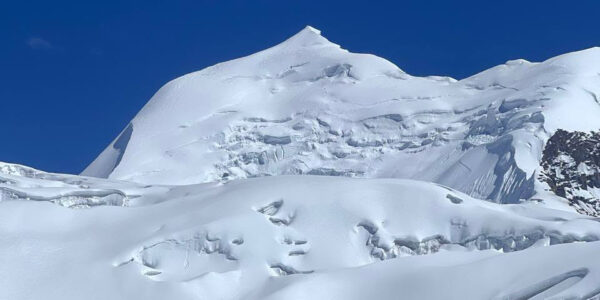
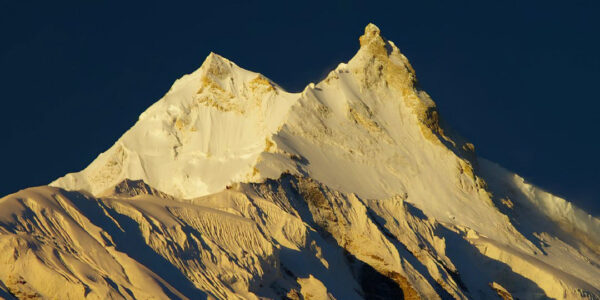
KATHMANDU: The Hindu Kush Himalaya (HKH) region experienced its third consecutive below-normal snow year in 2025, with snow persistence – the fraction of time snow is on the ground after snowfall–hitting a record low of 23.6%, a recent study by the International Center for Integrated Mountain Development (ICIMOD) shows.
Below-normal snowfall is a matter of concern for the water security of nearly two billion people across 12 major river basins that originate high in the HKH.
“To tackle this regional snow crisis and the challenges it creates for long-term food, water and energy resilience, we urgently need to embrace a paradigm shift toward science-based, forward-looking policies and foster renewed regional cooperation for transboundary water management and emissions mitigation,” Pema Gyamtsho, ICIMOD’s Director General, said. “Carbon emissions have already locked in an irreversible course of recurrent snow anomalies in the HKH. To tackle this regional snow crisis and the challenges it creates for long-term food, water and energy resilience, we urgently need to embrace a paradigm shift toward science-based, forward-looking policies and foster renewed regional cooperation for transboundary water management and emissions mitigation.”
On average, seasonal snowmelt contributes about a fourth of the total annual runoff of these rivers. The continued deficit of seasonal meltwater, in general, means lesser river runoffs and early-summer water stress, especially for downstream communities, already reeling under premature and intensifying heat spells across the region, according to ICIMOD.
Sher Muhammad, the lead expert for the Snow report 2025, said they were observing such deficit situations occurring in continuous succession. “This is an alarming trend. While our findings give a broad picture across the region, each must act based on the specific conditions of their river basins, particularly where seasonal snow melt is the major water source,” he added.
The report has revealed the most alarming declines in snow persistence in the Mekong (-51.9%) and Salween (-48.3%) basins, followed by the Tibetan Plateau (-29.1%), the Brahmaputra (-27.9%), Yangtze (-26.3%), and the Ganges (-24.1%) basins.
The Ganges basin recorded the highest snow persistence at +30.2% in 2015, but it dropped to the 23-year lowest of -24.1% in 2025. This is expected to reduce flows in the Ganges tributary in Nepal, such as the Koshi, Karnali and Gandaki river systems, in early summer.